
We Uses Cookies
This website uses cookies to enhance
your browsing experience.
We Uses Cookies
This website uses cookies to enhance
your browsing experience.
: Support inclusive policies in your workplace and local community to ensure everyone can live authentically.
A transgender person can identify as straight, gay, lesbian, bisexual, asexual, or pansexual. Solidarity and Friction
This history is crucial because it establishes a fact often erased by revisionist history: The fight for gay rights began with the fight for gender non-conforming people to exist in public space without being arrested. big cock black shemales top
The evolution of LGBTQ+ culture is inseparable from the history and resilience of the transgender community. By honoring past pioneers, protecting vulnerable members, and celebrating authentic self-expression, the collective movement moves closer to a world where everyone can live safely and openly. To help tailor more specific content on this topic, please
Activists worldwide continue to campaign for non-binary gender markers (such as "X" on passports), comprehensive anti-discrimination protections, and safer public spaces. Moving Toward an Inclusive Future : Support inclusive policies in your workplace and
This subculture birthed "voguing" and popularized linguistic terms now embedded in global pop culture, such as "spilling tea," "throwing shade," "work," and "serving looks." Media and Representation
The modern LGBTQ+ rights movement was catalyzed by the Stonewall Uprising in New York City. Key figures like (a Black trans woman) and Sylvia Rivera (a Latina trans woman) were at the forefront. Despite their leadership, early mainstream gay and lesbian organizations often marginalized transgender people, viewing them as “too radical” or a liability for respectability politics. This tension birthed a separate trans advocacy movement. The evolution of LGBTQ+ culture is inseparable from
In the 1970s and 1980s, some mainstream gay and lesbian liberation organisations actively distanced themselves from transgender individuals. They feared that fighting for gender-variance would alienate conservative lawmakers and stall progress on marriage equality and employment non-discrimination acts.
No honest article about this intersection can ignore the internal tension. A small but vocal minority of cisgender gay and lesbian people (often labeled TERFs—Trans-Exclusionary Radical Feminists—or LGB Alliance supporters) argue that trans issues are different from sexuality issues. They claim that the fight for same-sex attraction is being "hijacked" by the fight for gender identity.
: Support inclusive policies in your workplace and local community to ensure everyone can live authentically.
A transgender person can identify as straight, gay, lesbian, bisexual, asexual, or pansexual. Solidarity and Friction
This history is crucial because it establishes a fact often erased by revisionist history: The fight for gay rights began with the fight for gender non-conforming people to exist in public space without being arrested.
The evolution of LGBTQ+ culture is inseparable from the history and resilience of the transgender community. By honoring past pioneers, protecting vulnerable members, and celebrating authentic self-expression, the collective movement moves closer to a world where everyone can live safely and openly. To help tailor more specific content on this topic, please
Activists worldwide continue to campaign for non-binary gender markers (such as "X" on passports), comprehensive anti-discrimination protections, and safer public spaces. Moving Toward an Inclusive Future
This subculture birthed "voguing" and popularized linguistic terms now embedded in global pop culture, such as "spilling tea," "throwing shade," "work," and "serving looks." Media and Representation
The modern LGBTQ+ rights movement was catalyzed by the Stonewall Uprising in New York City. Key figures like (a Black trans woman) and Sylvia Rivera (a Latina trans woman) were at the forefront. Despite their leadership, early mainstream gay and lesbian organizations often marginalized transgender people, viewing them as “too radical” or a liability for respectability politics. This tension birthed a separate trans advocacy movement.
In the 1970s and 1980s, some mainstream gay and lesbian liberation organisations actively distanced themselves from transgender individuals. They feared that fighting for gender-variance would alienate conservative lawmakers and stall progress on marriage equality and employment non-discrimination acts.
No honest article about this intersection can ignore the internal tension. A small but vocal minority of cisgender gay and lesbian people (often labeled TERFs—Trans-Exclusionary Radical Feminists—or LGB Alliance supporters) argue that trans issues are different from sexuality issues. They claim that the fight for same-sex attraction is being "hijacked" by the fight for gender identity.
About JVG Electronics
Thankyou for contacting us.
We deals in all types of video games, consoles and its accessories.
We provide genuine produts.
You can say a complete shop of gaming available at one place.
JVG ELECTRONICS Since 2005
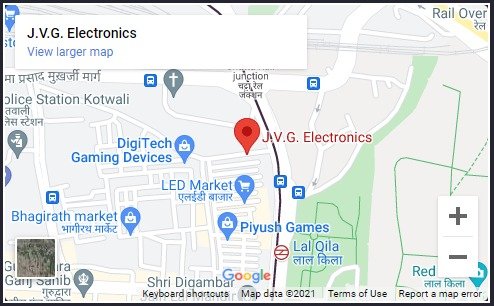
JVG ELECTRONICS Stall no.-32A More sarai road, Old lajpat rai market, Chandni chowk, Near Lal quila metro station gate no.-2 Delhi - 110006
,
,
,
Pay Using


Download Our App
© 2026 DigitalVertex — All rights reserved.
