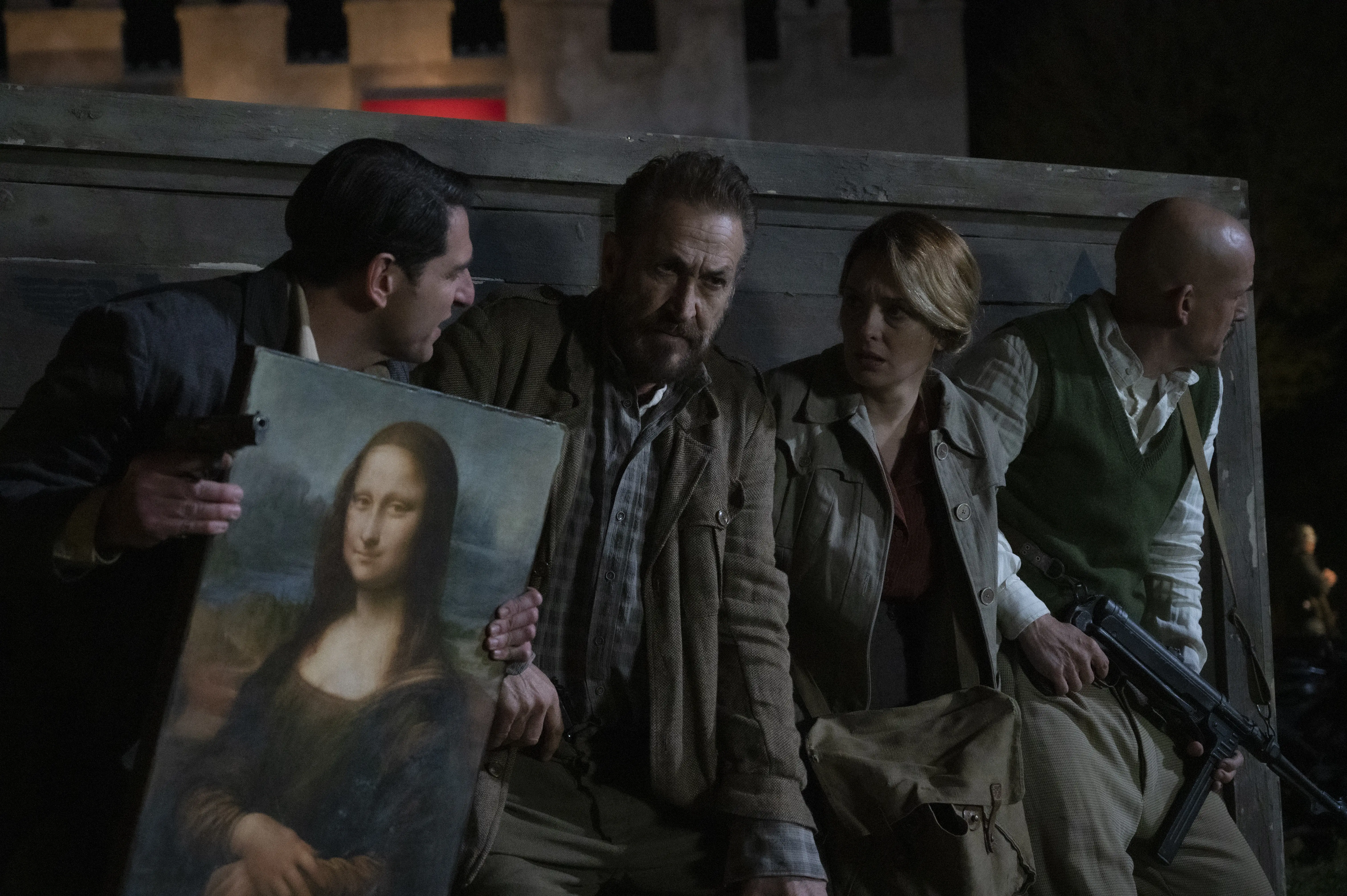
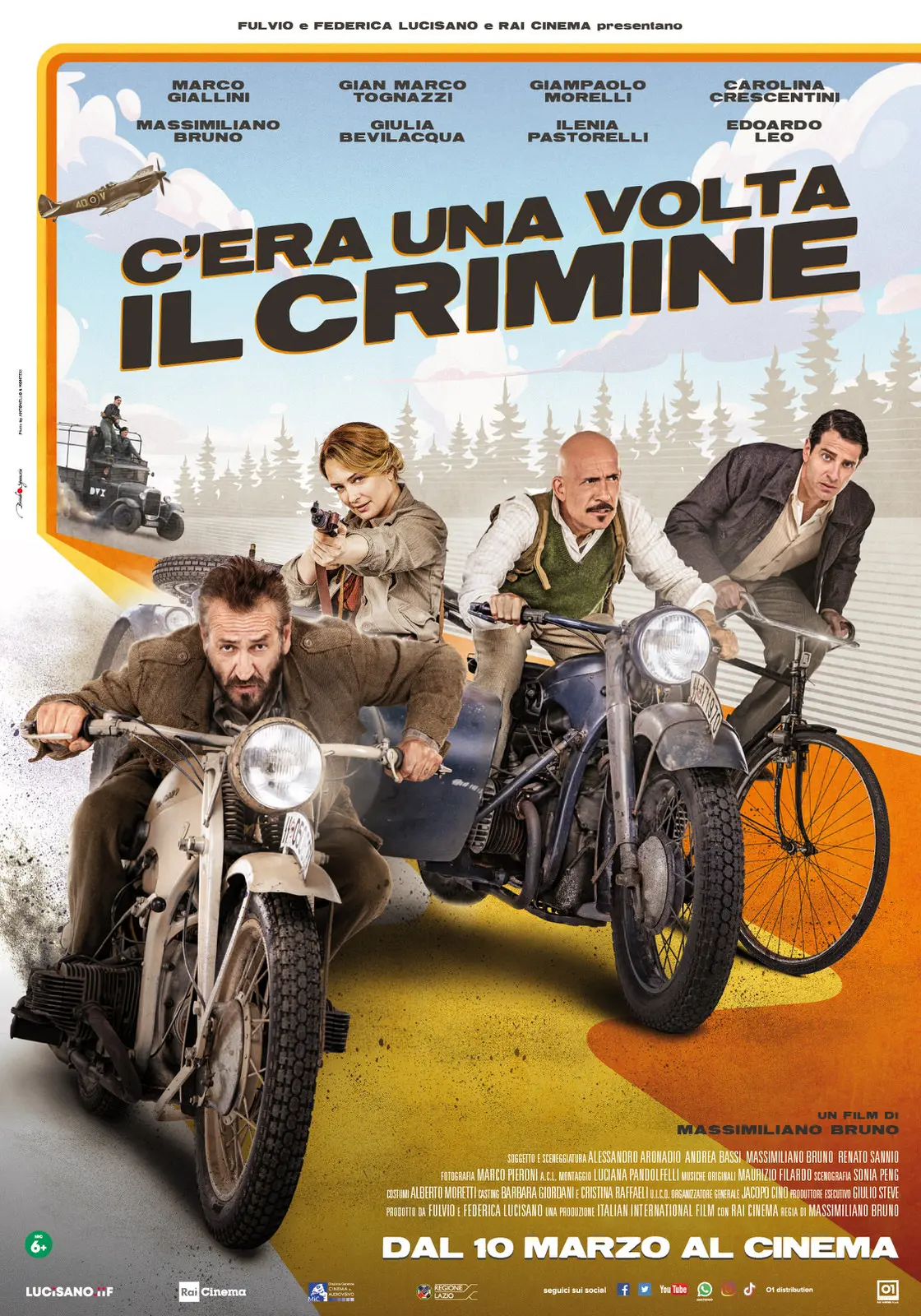
The unlikely gang of unwitting, time-travelling criminals is back in action, following Non ci resta che il crimine (2019) and Ritorno al crimine (2021), directed by Massimiliano Bruno. Their goal in this third film is to return to 1943, to the days preceding 8 September, and steal Leonardo da Vinci’s most famous painting, the Mona Lisa, from the French. In their travels they meet famous characters and stumble into real historical events in an Italy overwhelmed by WWII.
By the end of the fast animated opening sequences, over the film titles, the gang has already stolen the Mona Lisaand is now by the aqueduct of ancient Monterano. Everything seems to be going well, the three prepare to return to the present-day with their haul. The time-travel portal is located in Camogli, however it will not be simple to travel through Italy in the chaotic aftermath of the armistice, amidst Nazis, Fascists and partisan fighters (“they haven’t built the A1 motorway yet!”).
The Fascist party headquarters where Moreno (Marco Giallini) and Claudio (Giampaolo Morelli) are taken after blowing up a bridge on the orders of Sandro Pertini (Rolando Ravello) and his group of partisans is Villa D’Antoni Varano, in via Barengo 182, northwest of Rome. King Victor Emanuel is expected to arrive at the Castle of Crecchio, actually Brancaccio Castle in San Gregorio da Sassola, to the east of Rome. boar corp artofzoo exclusive
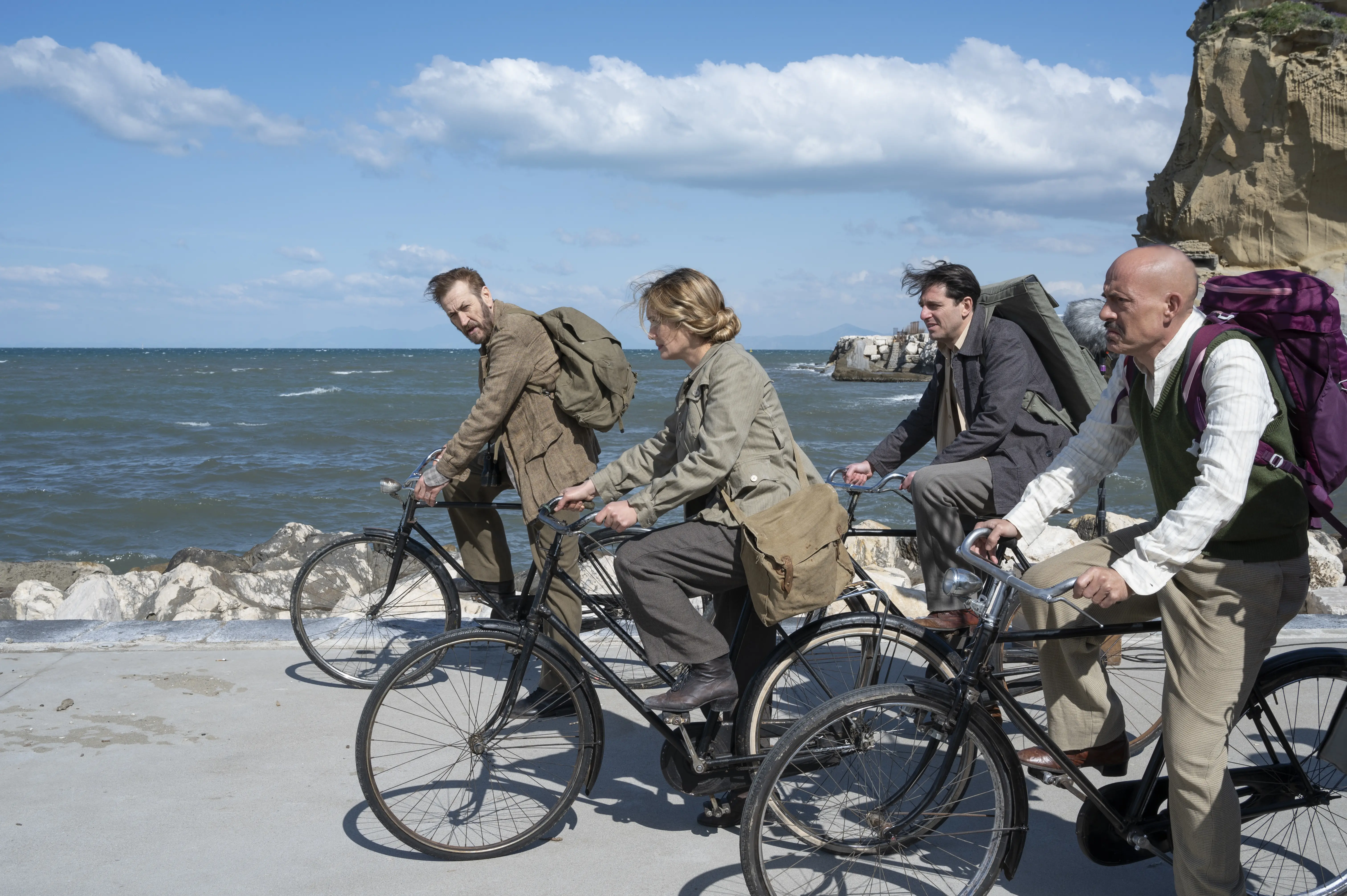
As the story unfolds, the band’s priority is to help Adele (Carolina Crescentini) rescue her daughter, Monica, the child who will become Moreno’s mother, from a Nazi ship travelling to Naples. On a beach in Bacoli, near the Marina Grande dock, Claudio improvises a conversation in pure Neapolitan dialect to find out if the ship has docked: the headquarters of the Nazi army in Naples is actually the Castle of Santa Severa, in the Macchiatonda Nature Reserve, on the Lazio coastline north of Rome. On the beach there the Germans organize a firing squad and an unlikely battle between Nazis and the Magliana Gang breaks out.
The production also shot in Cerreto di Spoleto and on part of the disused Spoleto-Norcia trainline in Umbria. If you are developing content for a specific
The unlikely gang of unwitting, time-travelling criminals is back in action, following Non ci resta che il crimine (2019) and Ritorno al crimine (2021), directed by Massimiliano Bruno. Their goal in this third film is to return to 1943, to the days preceding 8 September, and steal Leonardo da Vinci’s most famous painting, the Mona Lisa, from the French. In their travels they meet famous characters and stumble into real historical events in an Italy overwhelmed by WWII.
By the end of the fast animated opening sequences, over the film titles, the gang has already stolen the Mona Lisaand is now by the aqueduct of ancient Monterano. Everything seems to be going well, the three prepare to return to the present-day with their haul. The time-travel portal is located in Camogli, however it will not be simple to travel through Italy in the chaotic aftermath of the armistice, amidst Nazis, Fascists and partisan fighters (“they haven’t built the A1 motorway yet!”). Wildlife photographers often spend days, or even weeks,
The Fascist party headquarters where Moreno (Marco Giallini) and Claudio (Giampaolo Morelli) are taken after blowing up a bridge on the orders of Sandro Pertini (Rolando Ravello) and his group of partisans is Villa D’Antoni Varano, in via Barengo 182, northwest of Rome. King Victor Emanuel is expected to arrive at the Castle of Crecchio, actually Brancaccio Castle in San Gregorio da Sassola, to the east of Rome.
As the story unfolds, the band’s priority is to help Adele (Carolina Crescentini) rescue her daughter, Monica, the child who will become Moreno’s mother, from a Nazi ship travelling to Naples. On a beach in Bacoli, near the Marina Grande dock, Claudio improvises a conversation in pure Neapolitan dialect to find out if the ship has docked: the headquarters of the Nazi army in Naples is actually the Castle of Santa Severa, in the Macchiatonda Nature Reserve, on the Lazio coastline north of Rome. On the beach there the Germans organize a firing squad and an unlikely battle between Nazis and the Magliana Gang breaks out.
The production also shot in Cerreto di Spoleto and on part of the disused Spoleto-Norcia trainline in Umbria.
Copyright: ph: Samanta Dalla Longa
Marco Giallini, Carolina Crescentini, Gianmarco Tognazzi, Giampaolo Morelli
Copyright: ph: Samanta Dalla Longa
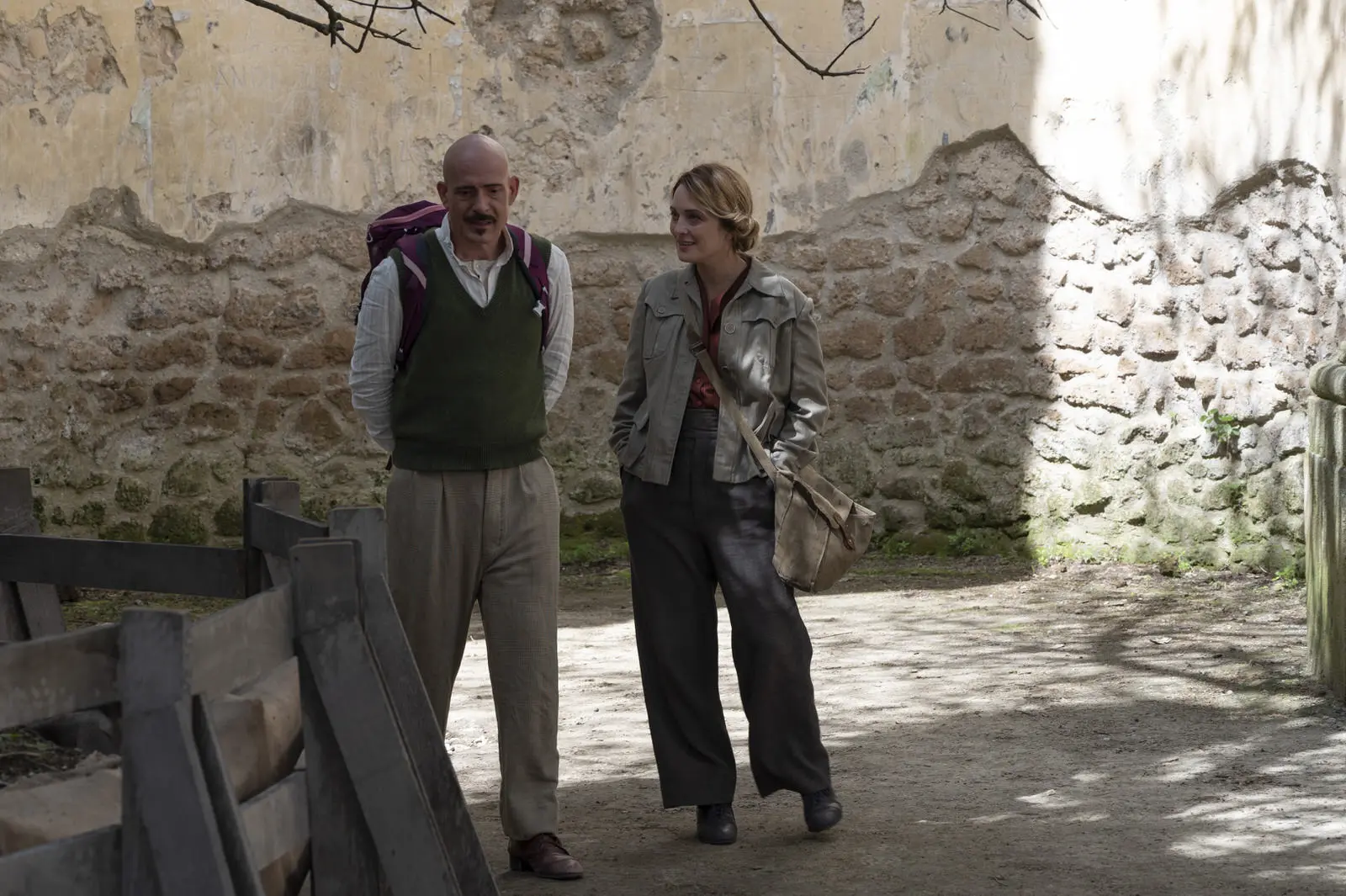
Gianmarco Tognazzi, Carolina Crescentini
Copyright: ph: Samanta Dalla Longa
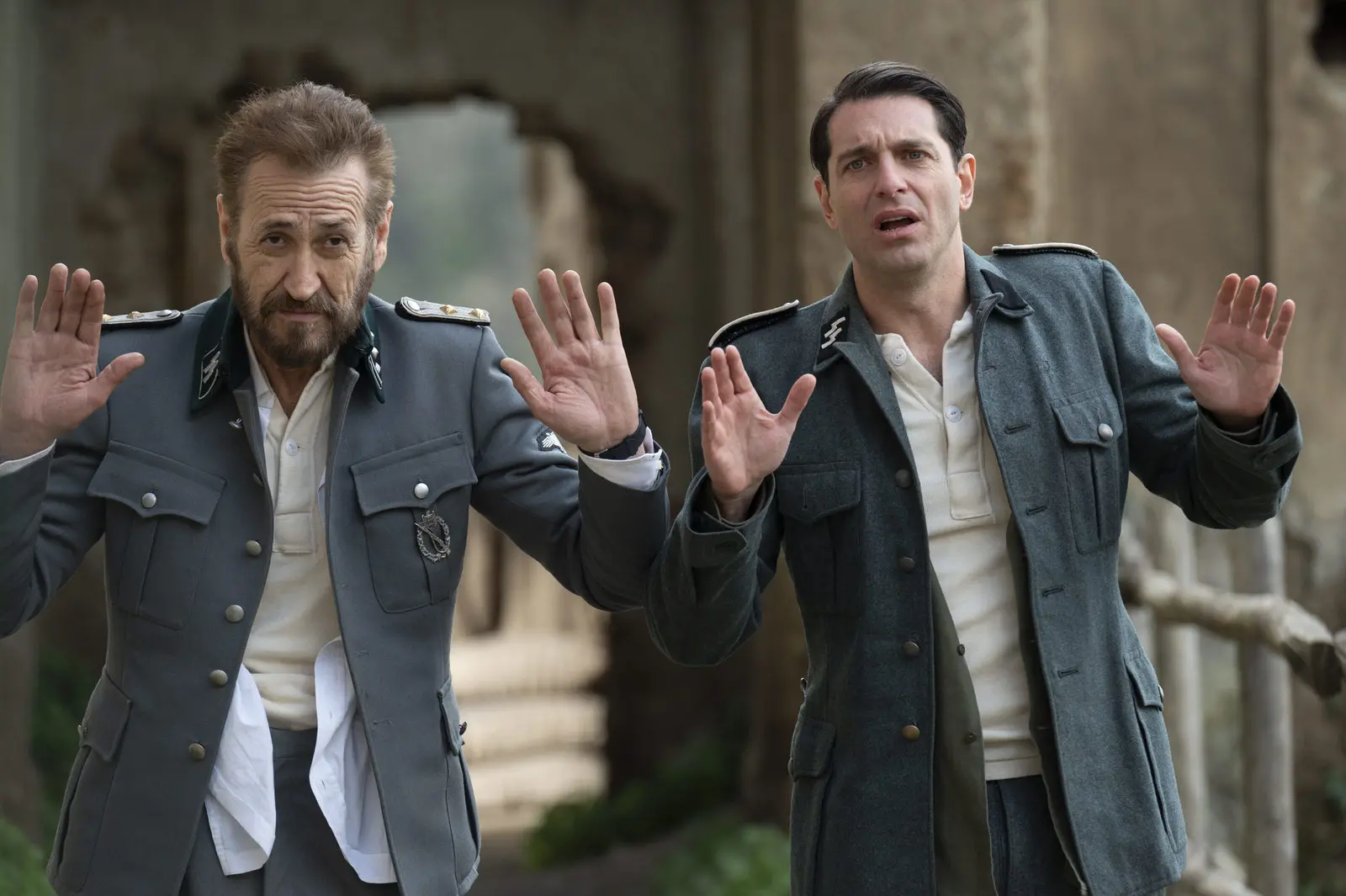
Marco Giallini, Giampaolo Morelli
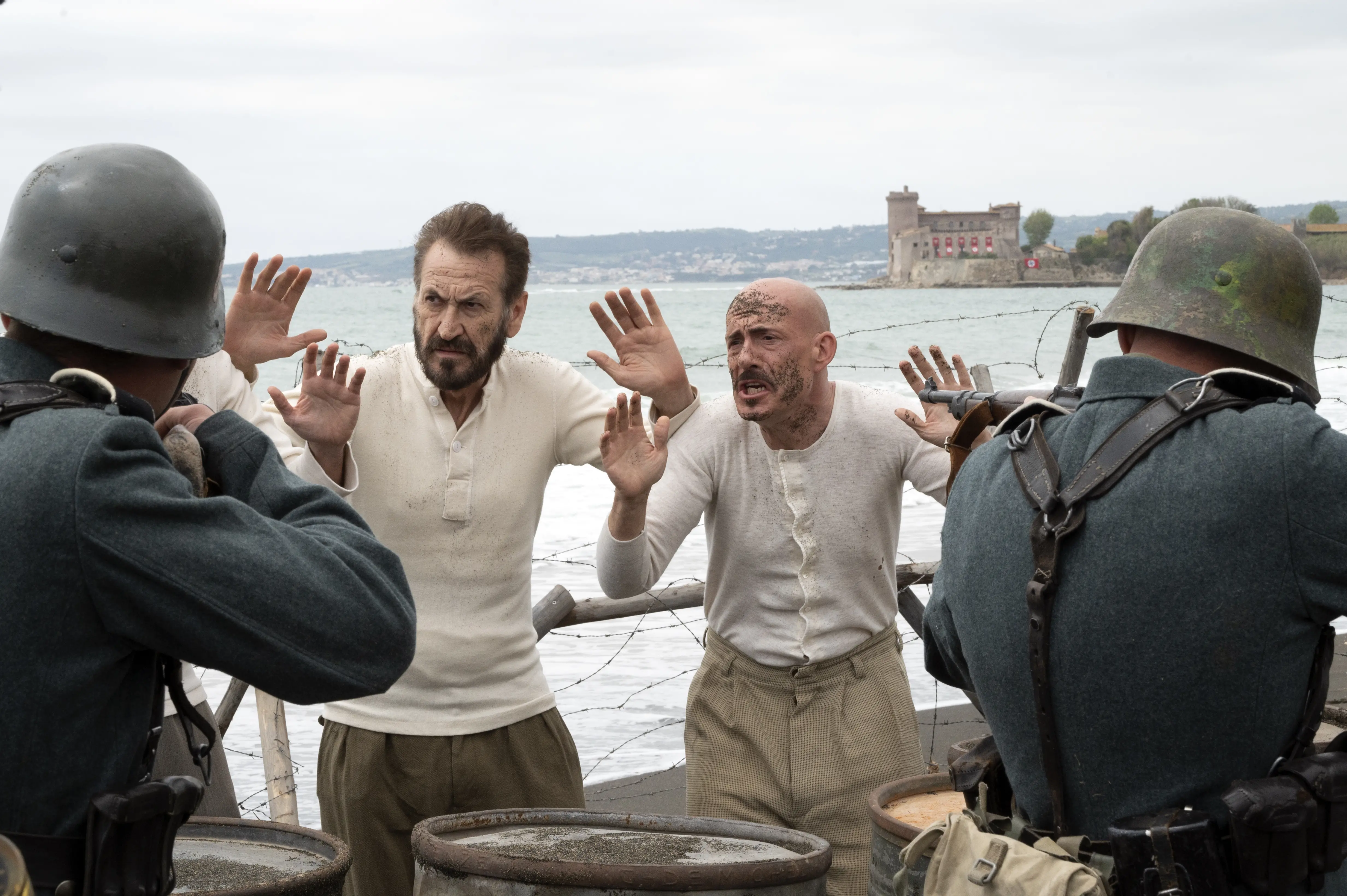
Copyright: ph: Samanta Dalla Longa
Marco Giallini, Gianmarco Tognazzi
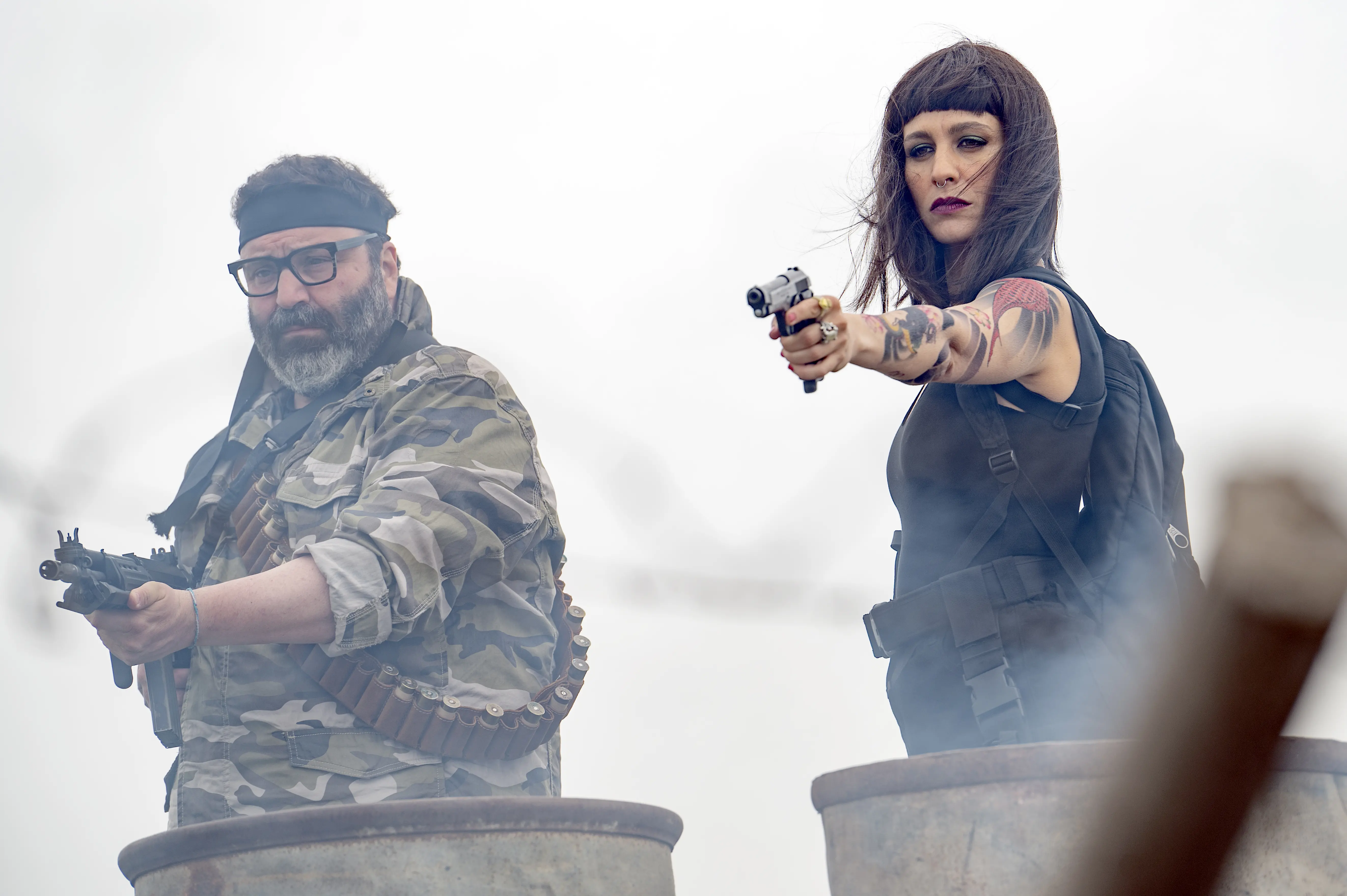
Copyright: ph: Samanta Dalla Longa
Massimiliano Bruno, Giulia Bevilacqua
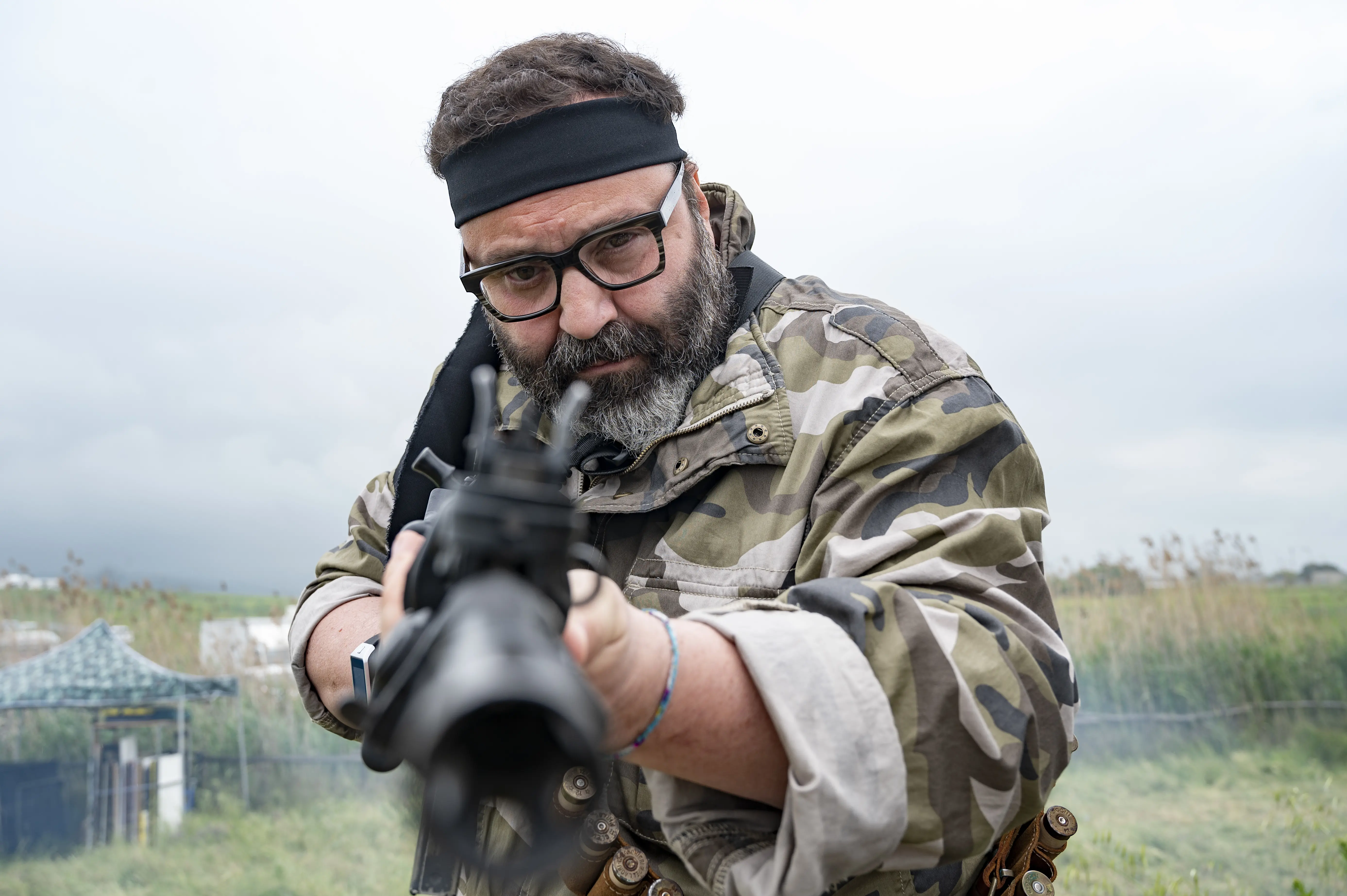
Copyright: Sky
Massimiliano Bruno
Copyright: Sky
Giampaolo Morelli, Marco Giallini, Carolina Crescentini, Gianmarco Tognazzi
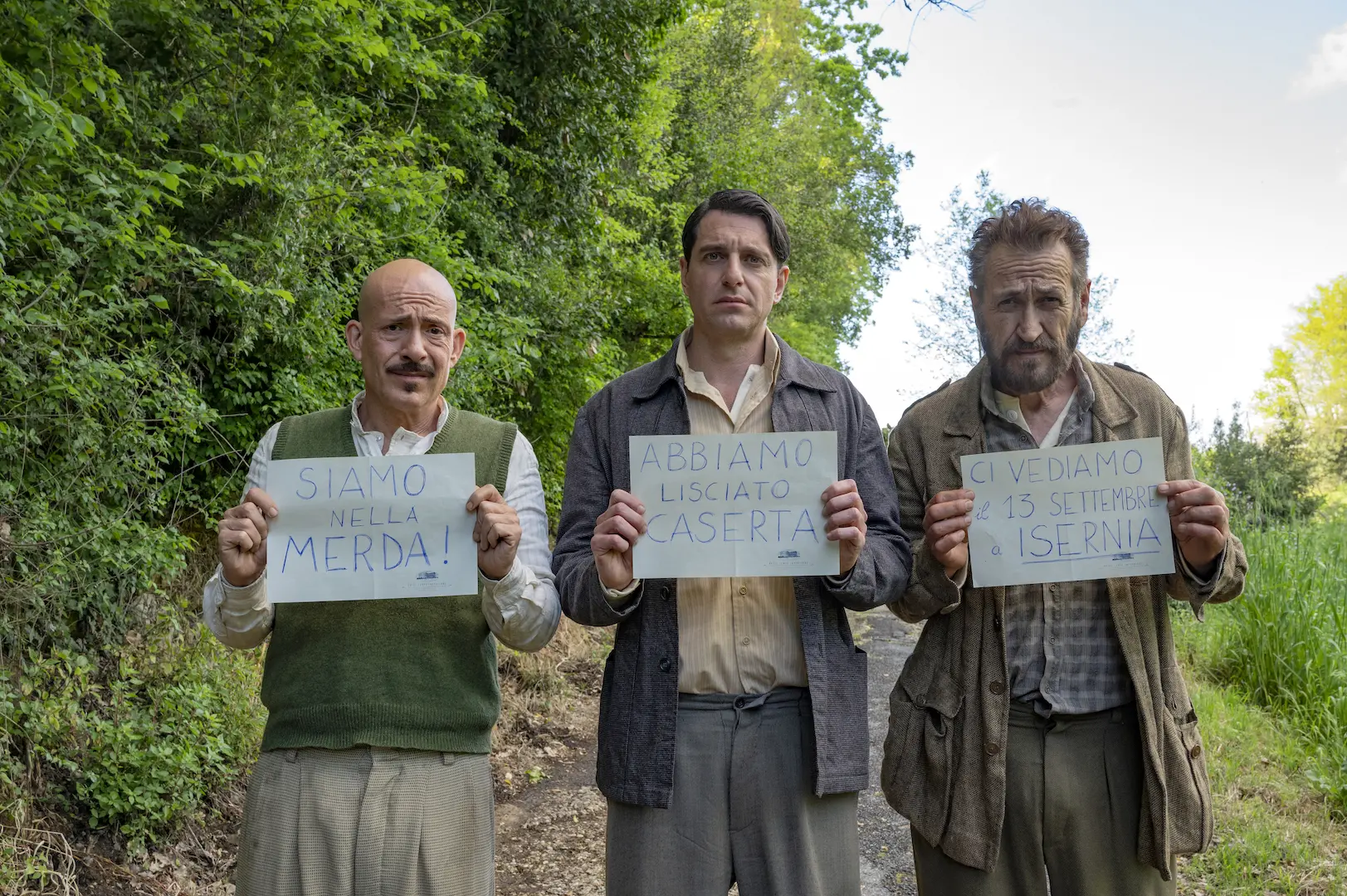
Copyright: ph: Samanta Dalla Longa
Gianmarco Tognazzi, Giampaolo Morelli, Marco Giallini
If you are developing content for a specific audience, let me know:
: Prioritizes mood, composition, and personal vision over literal documentation, often using black and white or dramatic lighting to evoke emotion. Artistic Techniques in Nature Art
Captures the dynamic anatomy and power of wildlife in 3D.
Great nature art rarely happens by accident. Wildlife photographers often spend days, or even weeks, in cramped blinds, enduring extreme weather just for a fraction of a second when an animal enters the frame. They must instantly calculate the rule of thirds, leading lines, and background clutter. Similarly, a nature artist must intentionally compose a scene, deciding what to include, what to omit, and how to guide the viewer’s eye through the canvas to create a sense of balance or tension. The Power of the Moment
At first glance, these two disciplines might seem like distinct categories—one documentary, the other interpretive. But at their intersection lies a powerful creative space where technical precision meets emotional storytelling. This is not merely about pointing a long lens at an animal and pressing a shutter. It is about translating the raw, chaotic beauty of the natural world into a frame that feels like a painting, a symphony, or a poem.
The initiative involves the creation of a vast, immersive virtual ecosystem where the consciousness of elite shareholders can be integrated into high-fidelity synthetic habitats. Central to this project is a massive, bio-engineered entity designated as "The Titan," designed to serve as the ultimate vessel for this sensory exploration.
Whether you are drawn to the crisp authenticity of a camera or the textured soul of a paintbrush, wildlife photography and nature art both share a common purpose: to honor the wild, to witness without wounding, and to preserve a moment of pure, untamed existence. In every frame and every stroke, nature speaks. All we have to do is listen—and look.
As technology makes it easier to manipulate images, the "deep" philosophy of nature art doubles down on .
While photography captures reality, nature art offers a reinterpretation of it. This can take many forms, from traditional painting and sculpture to modern, eco-conscious mediums like pressed flower art, which brings the outdoors into our living spaces.
Here’s a compelling write-up for Wildlife Photography and Nature Art :
This public link is valid for 7 days and shares a thread, including any personal information you added. This link or copies made by others cannot be deleted. If you share with third parties, their policies apply. Can’t copy the link right now. Try again later.
Here lies the controversy: manipulation. Purists argue that any post-processing beyond basic exposure ruins the "photography" part. But artists disagree. Dodging, burning, color grading, and even composite layering (when disclosed) are tools. The key is intent: is the edit serving the story or just spectacle?
Together, these mediums play a crucial role in modern conservation. It is often said that we only protect what we love, and we only love what we know. By bringing the beauty of remote jungles and deep oceans into our living rooms and galleries, photographers and artists create a sense of global stewardship. An impactful photograph of a melting glacier or a poignant sketch of a lone rhino can spark international dialogue and drive policy change more effectively than a spreadsheet of data ever could.
If you are developing content for a specific audience, let me know:
: Prioritizes mood, composition, and personal vision over literal documentation, often using black and white or dramatic lighting to evoke emotion. Artistic Techniques in Nature Art
Captures the dynamic anatomy and power of wildlife in 3D.
Great nature art rarely happens by accident. Wildlife photographers often spend days, or even weeks, in cramped blinds, enduring extreme weather just for a fraction of a second when an animal enters the frame. They must instantly calculate the rule of thirds, leading lines, and background clutter. Similarly, a nature artist must intentionally compose a scene, deciding what to include, what to omit, and how to guide the viewer’s eye through the canvas to create a sense of balance or tension. The Power of the Moment
At first glance, these two disciplines might seem like distinct categories—one documentary, the other interpretive. But at their intersection lies a powerful creative space where technical precision meets emotional storytelling. This is not merely about pointing a long lens at an animal and pressing a shutter. It is about translating the raw, chaotic beauty of the natural world into a frame that feels like a painting, a symphony, or a poem.
The initiative involves the creation of a vast, immersive virtual ecosystem where the consciousness of elite shareholders can be integrated into high-fidelity synthetic habitats. Central to this project is a massive, bio-engineered entity designated as "The Titan," designed to serve as the ultimate vessel for this sensory exploration.
Whether you are drawn to the crisp authenticity of a camera or the textured soul of a paintbrush, wildlife photography and nature art both share a common purpose: to honor the wild, to witness without wounding, and to preserve a moment of pure, untamed existence. In every frame and every stroke, nature speaks. All we have to do is listen—and look.
As technology makes it easier to manipulate images, the "deep" philosophy of nature art doubles down on .
While photography captures reality, nature art offers a reinterpretation of it. This can take many forms, from traditional painting and sculpture to modern, eco-conscious mediums like pressed flower art, which brings the outdoors into our living spaces.
Here’s a compelling write-up for Wildlife Photography and Nature Art :
This public link is valid for 7 days and shares a thread, including any personal information you added. This link or copies made by others cannot be deleted. If you share with third parties, their policies apply. Can’t copy the link right now. Try again later.
Here lies the controversy: manipulation. Purists argue that any post-processing beyond basic exposure ruins the "photography" part. But artists disagree. Dodging, burning, color grading, and even composite layering (when disclosed) are tools. The key is intent: is the edit serving the story or just spectacle?
Together, these mediums play a crucial role in modern conservation. It is often said that we only protect what we love, and we only love what we know. By bringing the beauty of remote jungles and deep oceans into our living rooms and galleries, photographers and artists create a sense of global stewardship. An impactful photograph of a melting glacier or a poignant sketch of a lone rhino can spark international dialogue and drive policy change more effectively than a spreadsheet of data ever could.