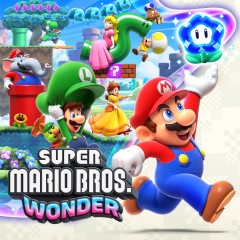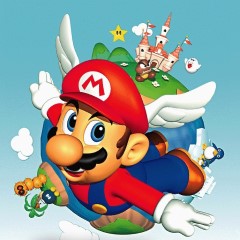
Video games and VR (Virtual Reality) have moved from the fringes to the center of the entertainment economy. 2. The Power of "Popular" Culture
Without direct access to the video or additional context, this report can only speculate on the content and intentions behind the video identifier. The analysis focuses on the technical aspects and attempts to decode the thematic elements based on the provided string.
With millions of hours of content uploaded daily, fighting for consumer eyeballs is more expensive and volatile than ever.
Gaming content, live-streaming, and immersive fan experiences that blur the line between creator and consumer. defloration 25 01 02 zabava chignon xxx 1080p m better
Entertainment content is no longer defined strictly by Hollywood studios or major television networks. Today, content is fluid, highly interactive, and decentralized. Short-Form Dominance
life was celebrated in a new Netflix documentary, "Avicii—I Am Tim," narrated through archival footage.
| Metric | Value | YoY Change | | :--- | :--- | :--- | | Avg. Daily Screen Time (US Adults) | 7 hrs 22 min | + 0% (plateau) | | % of Content Discovered via Algorithm | 83% | + 5% | | User Trust in "Human-Made" Label | 41% | -12% | | Subscription Streaming Services per HH | 2.3 | -0.7 (declining) | Video games and VR (Virtual Reality) have moved
Rather than replacing human creativity, these tools have democratised high-production-value content creation. Small indie studios and solo creators now possess the technical capability to produce cinematic-grade visual effects and orchestral scores from their personal computers, leading to an unprecedented explosion of diverse, niche storytelling that bypasses traditional studio gatekeepers.
Learning how to preserve digital artifacts, film negatives, video game source codes, and audio recordings for historical longevity.
The creator economy was approaching a projected $480 billion by 2027, and early 2025 saw creators forming collaborative groups to boost their creative impact and brand partnerships. According to the Artlist Trend Report, 35% of creators planned to work with as many brands as possible in 2025, while nearly the same amount prioritized working exclusively with just one brand. Significantly, 64% of consumers said they would switch brands if a creator they followed promoted something new. The analysis focuses on the technical aspects and
1. Defining the Core: Entertainment Content and Popular Media
Platforms like TikTok, Netflix, and Spotify use collaborative filtering to predict user desires. Content is increasingly engineered to trigger these algorithmic recommendation loops.