Ending the Wild West of Smart Spools
An open-source initiative by Prusa Research creating a single smart spool standard that works across all brands and ecosystems. This allows printers and users to read and write data directly on any spool, making 3D printing more reliable and intuitive for everyone.
3D printers have become incredibly user-friendly, but interaction with filament is still a very manual process. To improve the user experience and streamline the workflow, we need smart spools.
A smart spool carries all the important information about the material and its workflow, unlocking key features:
Instantly identifies the material type and color, significantly reducing user error and leading to a simpler, more reliable workflow.
Real-time data tracking, such as the amount of remaining filament, so you always know the exact status of your material.
Enables effortless inventory management and full traceability by allowing you to log custom data.
Some smart spools already exist, but they lack the core principles of universality and interoperability. It's like every brand suddenly decided to use a different filament diameter.
Smart spools are often locked to their specific hardware and filament. This makes them unusable with any third-party machines, forcing users into a closed ecosystem.
Many smart spools just refer to an online database, forcing you to rely on the manufacturer's cloud service. No internet? Your "smart" spool becomes dumb.
Current Smart Spools offer little to zero reusability. This read-only design prevents any updates to live data, and once the filament is depleted, you have no choice but to throw the 'smart' spool away.
In the ever-evolving landscape of internet culture, memes, and digital imagery, specific search queries often emerge that pique curiosity. One such query that has surfaced is the
If you are navigating the web and encounter ambiguous links or trending file searches, protect your digital footprint by following these safety practices:
This clarifies the type of content being sought—specifically, professional studio photography, runway portfolios, or promotional lookbooks. filedot karen model jpg link
Thus, “karen model” is too generic to identify a unique image.
If the image you're seeking has historical, research, or educational value, always attempt to find it through legitimate channels. For images of fashion models, paid stock photo websites like Getty Images are the most reliable and legal source, though they will not be free. For 3D models, sites like Free3D and RenderHub are excellent alternatives to random file-hosting links. In the ever-evolving landscape of internet culture, memes,
The Resurgence of Karen Mulder: Viral Claims and the Dangers of Mystery Links
The "Karen" model, in this context, refers to a specific image of a woman that has been used as the basis for the meme. The origins of the image are unclear, but it is believed to have originated from a stock photo or a publicly available image that was subsequently repurposed and edited to create the meme. If the image you're seeking has historical, research,
First, I should consider the context. The user might be looking for a way to access a specific image file but isn't sure about the reliability or safety of the source. Alternatively, they might be encountering a suspicious link and want to verify if it's safe. Since there's a mention of a model, it's possible they're referring to images uploaded by someone with that name, but it's more likely the platform is being misused for sharing certain types of content.
User Click ➔ Adware Redirect ➔ Phishing Page / Captcha Trick ➔ Malicious Payload (.exe / .iso) Key Risks of Clicking Unknown File Links
In recent months, keywords like "filedot karen model jpg link" have spiked in search trends. This surge is often driven by social media threads and "deep dive" videos revisiting the 1990s fashion world. However, searching for "leaked" images or files often leads users toward high-risk websites and misinformation. The True Story of Karen Mulder

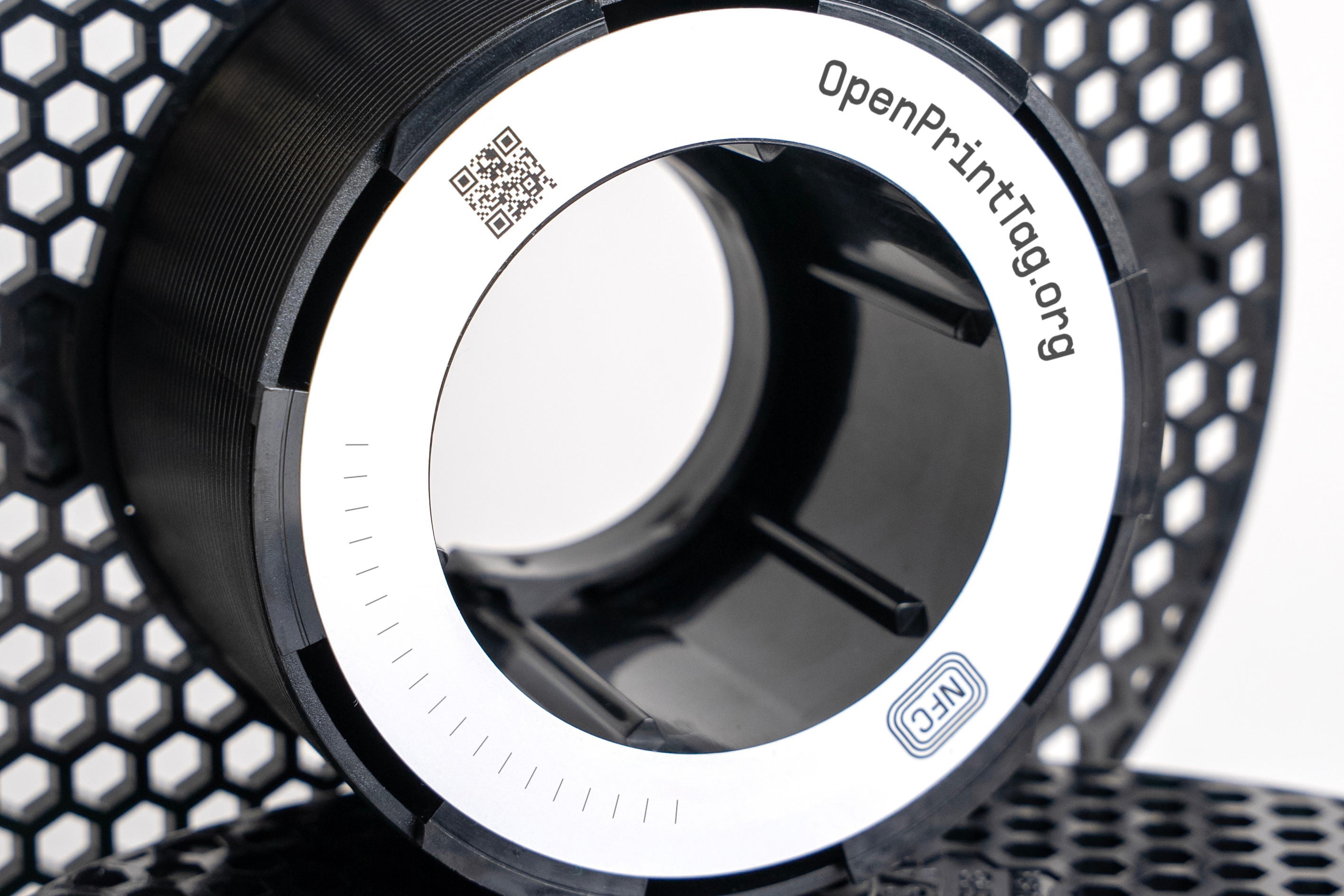
Instantly read or write in any orientation. This eliminates the need to rotate the spool to find the "correct" position.
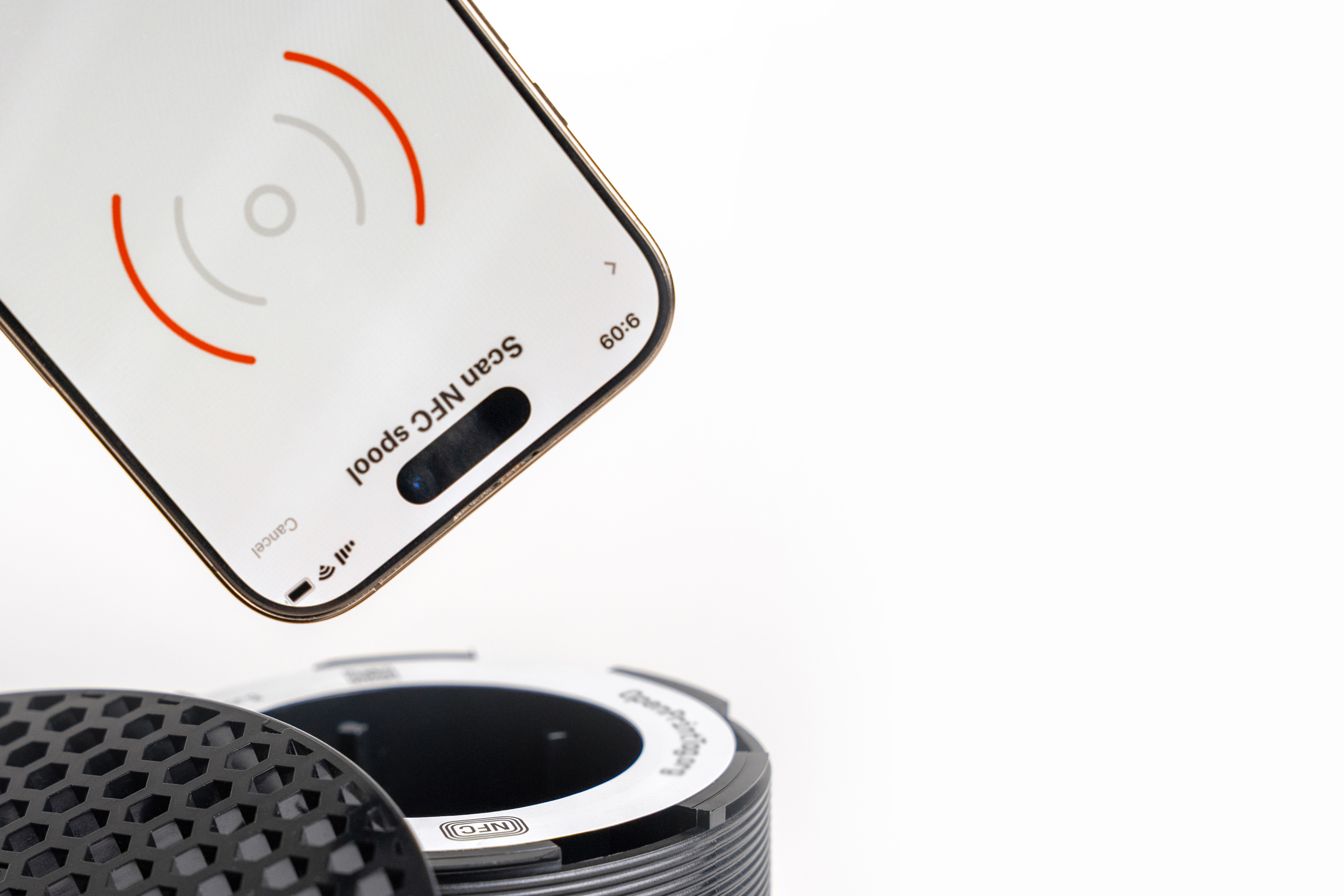
Stick a blank tag on any filament spool you own, flash it using your printer or a phone app, and simply re-use it once the spool is empty.


A single tag works even for 2kg spools, ensuring live data is always perfectly in sync. Two-tag designs cannot guarantee this.
A 3D printer or any compatible device instantly reads all data the moment the spool is loaded.
Instantly read or write in any orientation. This eliminates the need to rotate the spool to find the "correct" position.
Stick a blank tag on any filament spool you own, flash it using your printer or a phone app, and simply re-use it once the spool is empty.
A single tag works even for 2kg spools, ensuring live data is always perfectly in sync. Two-tag designs cannot guarantee this.
A 3D printer or any compatible device instantly reads all data the moment the spool is loaded.
Whether you're a manufacturer, developer, or 3D printing enthusiast, OpenPrintTag makes your workflow smarter.
Complete data format and protocol specification for NFC tag implementation
Create and decode OpenPrintTag NFC data for your materials
Physical implementation guidelines and hardware requirements
Want to integrate OpenPrintTag or become a partner?
Get in touch at [email protected]
Explore the specification, examples, and SDKs to integrate OpenPrintTag into your projects.
Download logos, images, and media files for OpenPrintTag