You are Kyle Crane.

After being captured by the Baron and enduring his painful experiments for years, you escape. But the scars remain. Left on the edge of humanity with both human and zombie DNA, you struggle to control your inner beast and the conflict that comes with it. But you’ll need to, if you want to get your revenge on the man who did this to you.

Restore the land Step by step

Clear the city of the infected, restore the land of Castor Woods and watch hope return as survivors reclaim their lives with your help - step by step.

half
survivor beast

Become Kyle Crane, a unique hero with DNA of a survivor… and a beast.

Switch between two playstyles and experience a fierce inner conflict between man and monster, leading to the ultimate embrace of unstoppable strength.

Kyle Crane Survivor Kyle Crane Beast

Primal Brutality

Take the raw savagery of Dying Light’s combat to the extreme and push brutality beyond human limits as you crush skulls, rip heads off, and tear enemies in half as you struggle to control our hero's constantly evolving, rage-fueled, beast-like powers.

hot mallu aunty boobs pressing and bra removing video target verified hot mallu aunty boobs pressing and bra removing video target verified

Own Day Fear the night

A signature of the Dying Light series - the two vastly different experiences of day and night merge into one unforgettable whole. Scavenge and explore by day, mindful of the constant tension of the moving clock - as when the sun sets, the night unleashes horrors that leave you with only three choices: run, hide, or fight for your life.

Run the Rooftops, Rule the Roads

Feel the rush of best-in-class first-person parkour as you jump from rooftop to rooftop and climb over any obstacle using a movement system accessible to all, yet rewarding to those who master it. Then take the wheel of an off-road vehicle and plow through hordes of zombies, enjoying the unparalleled freedom of open world traversal.

Beautiful Zombie Apocalypse

Breathtaking next-gen visuals bring the handcrafted zombie apocalypse to life, where every detail tells a story of survival. Get lost in the majesty of the Swiss Alps-inspired valley of Castor Woods with various biomes - the touristic town, the industrial area, the national park, farm fields, the swamps - all full of beauty… and decay.

Hot Mallu Aunty Boobs Pressing And Bra Removing Video — Target Verified

Malayalam cinema remains a powerful testament to the cultural capital of Kerala. By prioritizing strong screenplays, rooted aesthetics, and raw human emotions over astronomical production budgets, the industry proves that universal stories are best told through local lenses. It continues to be a mirror to Kerala’s progressive triumphs, its deep-seated contradictions, and its enduring artistic legacy. To continue exploring this topic,

Unlike industries that rely on massive budgets or superstar spectacles, Malayalam cinema thrives on:

The evolution of Malayalam cinema, colloquially known as Mollywood, is inextricably linked with the social, political, and cultural fabric of Kerala. Unlike many major film industries in India that often rely on escapist fantasy and larger-than-life spectacles, Malayalam cinema has carved out a distinct global identity rooted in hyper-realism, progressive social commentary, and literary depth. This article explores the profound symbiotic relationship between the cinematic art form and the cultural ethos of Kerala. The Historical and Literary Foundations

The journey of Malayalam cinema began in the early 20th century, with the release of the first Malayalam film, , in 1918. Directed by A. D. George, the film marked the beginning of a new era in Malayalam cinema. However, it was not until the 1950s that the industry started to gain momentum, with films like Nirmala (1938) and Savitri (1949) achieving critical acclaim. These early films laid the foundation for the growth of Malayalam cinema, which would eventually become known for its thought-provoking themes, strong narratives, and memorable characters. Malayalam cinema remains a powerful testament to the

The distinct identity of Malayalam cinema began with its early embrace of literary realism. While other regional Indian industries focused on mythological epics, Kerala's filmmakers looked to the struggles of daily life.

The "Gulf Boom" of the 1970s saw millions of Keralites migrate to the Middle East. Cinema quickly captured the psychological toll of this economic shift. Films like Varavelpu and Pathemari highlighted the loneliness of migrants, the burdens of remittance wealth, and the bittersweet reality of returning home. Political Satire

Lijo Jose Pellissery’s Angamaly Diaries (2017) and Jallikattu (2019) introduced chaotic, visceral visual styles exploring primal human nature, earning international film festival accolades. Jeethu Joseph’s Drishyam (2013) became a blueprint for Indian thriller cinema, officially remade in multiple languages, including Chinese. To continue exploring this topic, Unlike industries that

The 1980s and 1990s also solidified the dominance of two acting stalwarts: Mammootty and Mohanlal. While both achieved massive stardom, their careers were defined by a willingness to subvert their own star personas.

With a vast population of non-resident Keralites (NRKs) in the Gulf cooperation council (GCC) countries, the "Gulf boom" and the subsequent pain of separation, economic displacement, and cultural alienation became a poignant sub-genre, exemplified by classics like Pathemari (2015) and Aadujeevitham (The Goat Life). The New Wave: Technologically Slick and Globally Resonant

Malayalam cinema has had a significant cultural impact, both within Kerala and globally. It has played a crucial role in portraying and preserving Kerala's culture, traditions, and social issues. The industry has also been a platform for introducing and promoting Malayalam literature, music, and art. The Historical and Literary Foundations The journey of

Look at a of essential movies for beginners. Share public link

This paper posits three core theses:

Malayalam cinema remains successful because it respects the intelligence of its audience. It stays rooted in Keralite culture while maintaining a progressive, global outlook. By balancing artistic courage with commercial viability, it continues to set the benchmark for storytelling in Indian cinema. To help explore specific aspects of this topic further,

The 1970s and 1980s marked a golden era, characterized by the rise of "Middle Cinema"—a genre that successfully merged the artistic sensibilities of parallel cinema with the accessibility of commercial films. Visionary directors like Aravindan, John Abraham, and Adoor Gopalakrishnan gained international recognition for their avant-garde storytelling.

Get one of the Dying Light: The Beast editions

hot mallu aunty boobs pressing and bra removing video target verified

Contains

+ Digital content

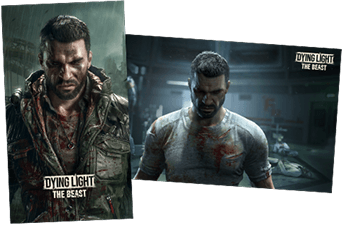
  • Wallpapers pack
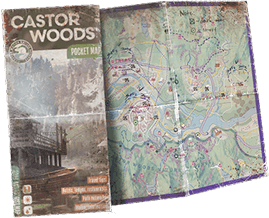
  • Castor woods<br>tourist map
  • Soundtrack

Contains

Everything From The Deluxe Edition And:

Malayalam cinema remains a powerful testament to the cultural capital of Kerala. By prioritizing strong screenplays, rooted aesthetics, and raw human emotions over astronomical production budgets, the industry proves that universal stories are best told through local lenses. It continues to be a mirror to Kerala’s progressive triumphs, its deep-seated contradictions, and its enduring artistic legacy. To continue exploring this topic,

Unlike industries that rely on massive budgets or superstar spectacles, Malayalam cinema thrives on:

The evolution of Malayalam cinema, colloquially known as Mollywood, is inextricably linked with the social, political, and cultural fabric of Kerala. Unlike many major film industries in India that often rely on escapist fantasy and larger-than-life spectacles, Malayalam cinema has carved out a distinct global identity rooted in hyper-realism, progressive social commentary, and literary depth. This article explores the profound symbiotic relationship between the cinematic art form and the cultural ethos of Kerala. The Historical and Literary Foundations

The journey of Malayalam cinema began in the early 20th century, with the release of the first Malayalam film, , in 1918. Directed by A. D. George, the film marked the beginning of a new era in Malayalam cinema. However, it was not until the 1950s that the industry started to gain momentum, with films like Nirmala (1938) and Savitri (1949) achieving critical acclaim. These early films laid the foundation for the growth of Malayalam cinema, which would eventually become known for its thought-provoking themes, strong narratives, and memorable characters.

The distinct identity of Malayalam cinema began with its early embrace of literary realism. While other regional Indian industries focused on mythological epics, Kerala's filmmakers looked to the struggles of daily life.

The "Gulf Boom" of the 1970s saw millions of Keralites migrate to the Middle East. Cinema quickly captured the psychological toll of this economic shift. Films like Varavelpu and Pathemari highlighted the loneliness of migrants, the burdens of remittance wealth, and the bittersweet reality of returning home. Political Satire

Lijo Jose Pellissery’s Angamaly Diaries (2017) and Jallikattu (2019) introduced chaotic, visceral visual styles exploring primal human nature, earning international film festival accolades. Jeethu Joseph’s Drishyam (2013) became a blueprint for Indian thriller cinema, officially remade in multiple languages, including Chinese.

The 1980s and 1990s also solidified the dominance of two acting stalwarts: Mammootty and Mohanlal. While both achieved massive stardom, their careers were defined by a willingness to subvert their own star personas.

With a vast population of non-resident Keralites (NRKs) in the Gulf cooperation council (GCC) countries, the "Gulf boom" and the subsequent pain of separation, economic displacement, and cultural alienation became a poignant sub-genre, exemplified by classics like Pathemari (2015) and Aadujeevitham (The Goat Life). The New Wave: Technologically Slick and Globally Resonant

Malayalam cinema has had a significant cultural impact, both within Kerala and globally. It has played a crucial role in portraying and preserving Kerala's culture, traditions, and social issues. The industry has also been a platform for introducing and promoting Malayalam literature, music, and art.

Look at a of essential movies for beginners. Share public link

This paper posits three core theses:

Malayalam cinema remains successful because it respects the intelligence of its audience. It stays rooted in Keralite culture while maintaining a progressive, global outlook. By balancing artistic courage with commercial viability, it continues to set the benchmark for storytelling in Indian cinema. To help explore specific aspects of this topic further,

The 1970s and 1980s marked a golden era, characterized by the rise of "Middle Cinema"—a genre that successfully merged the artistic sensibilities of parallel cinema with the accessibility of commercial films. Visionary directors like Aravindan, John Abraham, and Adoor Gopalakrishnan gained international recognition for their avant-garde storytelling.