The Top Widget
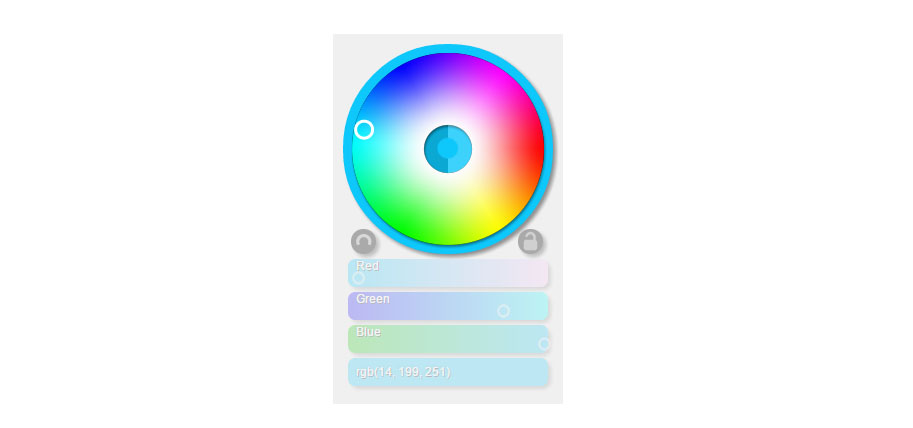
The top widget is designed to let you choose hue and vibrance of your color almost at a glance. Brightness value can be controlled either by the slider below, or nudged by the widget centre halves.
The is a popular Step-Down (Buck) Switching Regulator used to efficiently convert higher DC voltages (up to 40V) into a stable lower output (e.g., 3.3V, 5V, 12V, or Adjustable) with a current capacity of up to 3A. While it is a staple in power electronics, integrating it into Proteus for simulation often requires external library files, as standard versions may only include the footprint for PCB layout without an active simulation model. 1. Library Availability and Simulation
(High-speed freewheeling diode, e.g., 1N5822)
Resistors or a potentiometer for the feedback loop (if using the adjustable variant). CAP / CAP-ELEC: Input and output filtering capacitors. lm2596 proteus library
Try modifying the adjustable version for 3.3V or 12V output. Simulate load steps and observe the feedback response. Then, move to PCB layout in Proteus ARES and build your physical prototype.
C:\Program Files (x86)\Labcenter Electronics\Proteus 7 Professional\LIBRARY Step 3: Copy and Paste the Files Close Proteus if it is currently running. Copy the .IDX and .LIB files from your downloaded package. The is a popular Step-Down (Buck) Switching Regulator
Once the files are pasted, relaunch Proteus to initialize the new database. Open Proteus and create a new schematic project ().
Click the button in the bottom-left corner of the Proteus interface. Observe the virtual voltmeters. Simulate load steps and observe the feedback response
To use the LM2596 module in your simulations, follow these step-by-step installation instructions. Step 1: Download the Library Files
Search for trusted engineering communities (such as The Engineering Projects or GitHub repository hosts) to download the LM2596 library zip file. Once downloaded, extract the archive. You will typically find two essential files: LM2596Library.IDX (Index file) LM2596Library.LIB (Library file) Step 2: Locate Your Proteus Library Folder
Even if you draw a custom symbol, Proteus will throw a "No simulator model found" error during runtime.
No CPU Overheads
While painting, the color picker takes no CPU from Photoshop whether full sized or minified. It only comes to life when you're changing colors, and it does that spectacularly.
The Top Widget
The top widget is designed to let you choose hue and vibrance of your color almost at a glance. Brightness value can be controlled either by the slider below, or nudged by the widget centre halves.
The Sliders
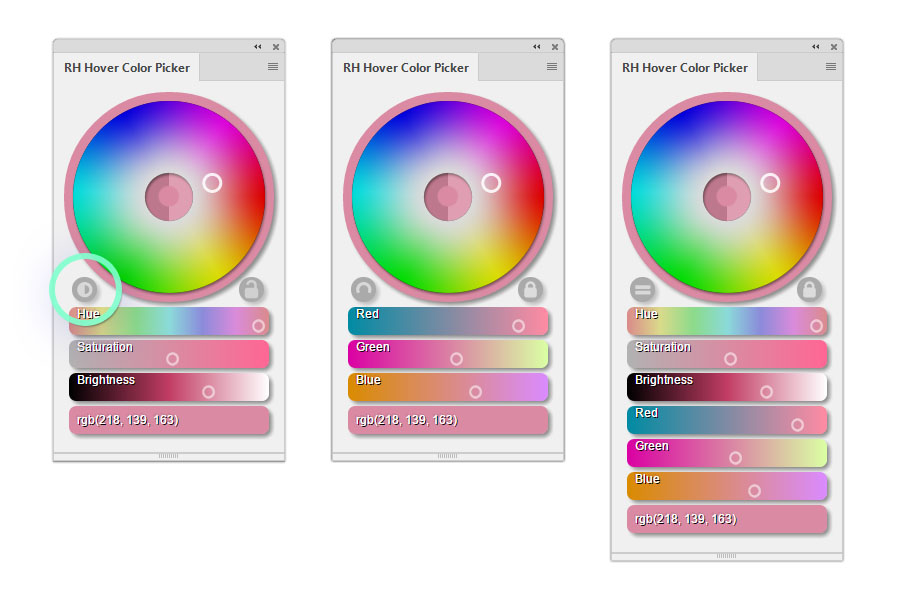
The sliders at the bottom are self-explanatory, and can be toggles between Hue Saturation Brightness, Reg Green Blue, or all. Just click the middle left button to toggle.
Always There
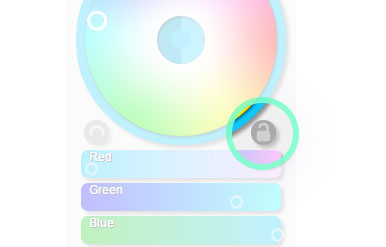
If you prefer to keep the whole palette on screen without it minimizing itself automatically, you can toggle the lock button on the middle left:
Compatibility
All Extensions and tools are fully compatible with both Windows and Mac Platforms


Buy Now