If you own a mini mobile radio, you know it’s a powerhouse for its size. But programming it manually via the front panel? That’s a fast track to frustration.

: If CHIRP fails, the official QYT programming software is a reliable alternative, though it may require specific COM port settings (typically COM3 or higher). Troubleshooting Common Issues

For a standard interface (such as CP2102 or FTDI), the connections are as follows: Tip: RX (Data from Radio to PC) Ring: TX (Data from PC to Radio) Sleeve: GND (Ground) Front Panel RJ45 Connector Pinout

Here is the for the QYT KT-8900 (and most QYT/Kenwood clones like the KT-7900, KT-8900D, and BTECH UV-2501) :

If you’re crimping your own RJ-45 plug for the :

While the physical port looks like a standard headphone jack, it carries serial TTL data. To program this radio, you only need three active connections.

The Ultimate QYT KT-8900 Programming Cable Pinout Guide: DIY & Troubleshooting

Many users miswire their cable because they look at the radio's RJ-45 socket incorrectly. To find pin 1 on the :

Before diving into the pin numbers, let’s clarify the "top" reference. The QYT KT8900 uses an connector for programming, identical to an Ethernet plug. However, unlike network cables, the pinout is not T568A or T568B.

Strip a shielded 3-conductor or 4-conductor wire. Slide the plastic housing of the 3.5mm plug onto the cable before soldering. Solder the Connections:

If you are still having trouble with the cable, it is highly recommended to buy a pre-made USB programming cable designed for the KT-8900 to ensure the chip and wiring match.

How It Works ⚙️

Simple, intuitive design tools at your fingertips

Qyt Kt8900 Programming Cable Pinout Top ^hot^ -

If you own a mini mobile radio, you know it’s a powerhouse for its size. But programming it manually via the front panel? That’s a fast track to frustration.

: If CHIRP fails, the official QYT programming software is a reliable alternative, though it may require specific COM port settings (typically COM3 or higher). Troubleshooting Common Issues

For a standard interface (such as CP2102 or FTDI), the connections are as follows: Tip: RX (Data from Radio to PC) Ring: TX (Data from PC to Radio) Sleeve: GND (Ground) Front Panel RJ45 Connector Pinout qyt kt8900 programming cable pinout top

Here is the for the QYT KT-8900 (and most QYT/Kenwood clones like the KT-7900, KT-8900D, and BTECH UV-2501) :

If you’re crimping your own RJ-45 plug for the : If you own a mini mobile radio, you

While the physical port looks like a standard headphone jack, it carries serial TTL data. To program this radio, you only need three active connections.

The Ultimate QYT KT-8900 Programming Cable Pinout Guide: DIY & Troubleshooting : If CHIRP fails, the official QYT programming

Many users miswire their cable because they look at the radio's RJ-45 socket incorrectly. To find pin 1 on the :

Before diving into the pin numbers, let’s clarify the "top" reference. The QYT KT8900 uses an connector for programming, identical to an Ethernet plug. However, unlike network cables, the pinout is not T568A or T568B.

Strip a shielded 3-conductor or 4-conductor wire. Slide the plastic housing of the 3.5mm plug onto the cable before soldering. Solder the Connections:

If you are still having trouble with the cable, it is highly recommended to buy a pre-made USB programming cable designed for the KT-8900 to ensure the chip and wiring match.
2

Activate the Tool

Click on the extension icon and select the tool you need, or use the right-click context menu.

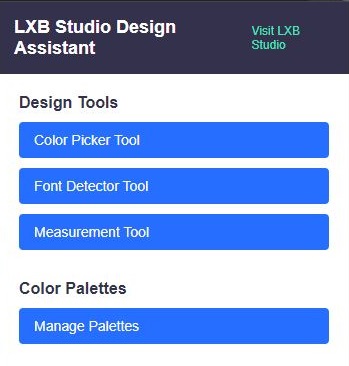
Extension dropdown menu with tool options
3

Use with Precision

Interact with the webpage to measure elements, identify fonts, or pick colors with pixel-perfect accuracy.

Measurement tool in action on a webpage

Installation Guide 💻

Install Web Design Ruler from official stores or as an unpacked extension

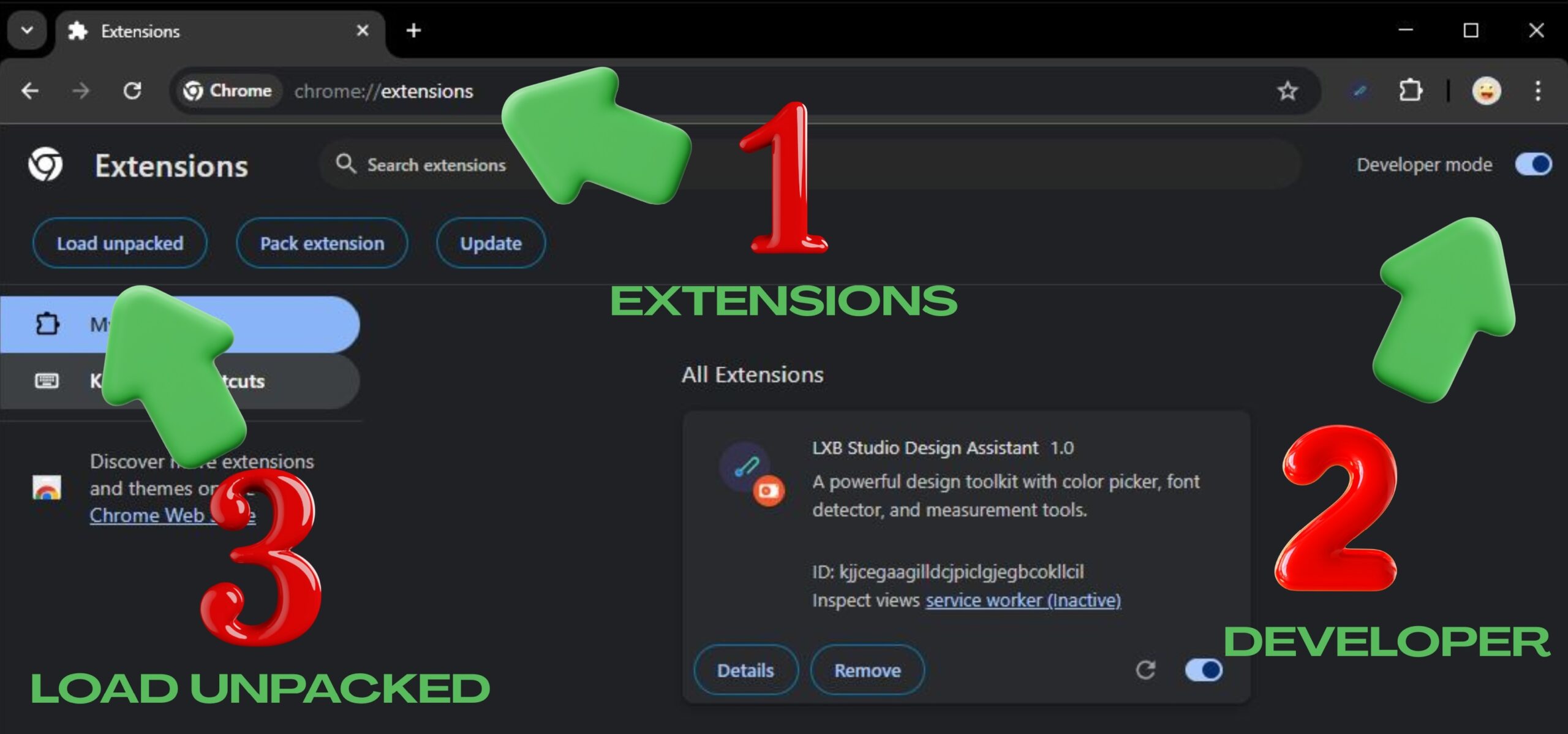
Chrome extensions page showing load unpacked process

Install from Official Stores (Best)

For Chrome: Visit the Chrome Web Store and click "Add to Chrome". For Firefox: Visit Firefox Add-ons and click "Add to Firefox".

Or Download Extension Files

Download the Web Design Ruler extension files from this website. Save the ZIP file to your computer and extract it.

Open Extensions Page

For Chrome: Type chrome://extensions in the address bar. For Firefox: Type about:addons in the address bar.

Enable Developer Mode (Chrome Only)

Toggle on the "Developer mode" switch in the top-right corner of the Extensions page.

Load Unpacked Extension

Click the "Load unpacked" button and navigate to the folder where you extracted the extension files. Select the folder and click "Select Folder".

⚠️ Important Warning for Manual Installation

Do not delete or move the extension folder after installation. Since this is an unpacked extension, Chrome needs the folder to remain in its original location. If you delete or move the folder, the extension will stop working.

Privacy & Security 🔒

Your privacy and security are our top priorities

No Data Collection

Web Design Ruler operates entirely on your device. We don't collect, store, or transmit any of your data or browsing history to our servers or third parties.

Limited Permissions

Our extension only requests the minimum permissions needed to function. We can only access the active tab when you explicitly activate one of our tools.

Clean Code

No ads, no trackers, no bloat. The extension is built with clean, efficient code focused solely on providing helpful design tools.

Open

The extension is built with transparent practices. You can inspect the code yourself since it's installed as an unpacked extension.

Malware-Free

Our extension contains no malware or harmful code. It's a simple, focused tool created by designers for designers at LXB Studio.

Works Offline

All functionality works completely offline. No internet connection is required for the tools to operate after installation.

Why We Built This 💡

As web designers and developers at LXB Studio, we often found ourselves switching between multiple tools to measure elements, identify fonts, and pick colors from websites. This workflow was inefficient and interrupted our creative process.

We built Web Design Ruler to solve these pain points and create a streamlined workflow for ourselves and the design community.

  • Eliminate the need for multiple extensions.
  • Create pixel-perfect designs with accurate measurements.
  • Identify and replicate beautiful typography.
  • Extract exact colors for design consistency.
  • Speed up the web design process.

We've made it free and open because we believe in giving back to the design community that has given us so much.

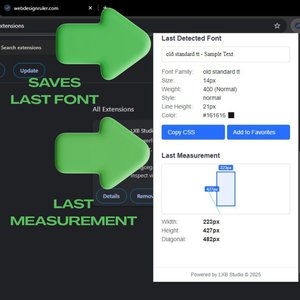
Web Design Ruler extension popup interface

Frequently Asked Questions ❓

Got questions? We've got answers

Which browsers are supported?

Web Design Ruler works with Google Chrome, Firefox, and Chromium-based browsers like Microsoft Edge, Brave, Opera, and Vivaldi. Install from the Chrome Web Store, Firefox Add-ons, or download the extension files directly.

Is Web Design Ruler free to use?

Yes! Web Design Ruler is completely free to use. We created it to simplify web design workflows and give back to the design community.

Can I use the extension on any website?

Yes, you can use Web Design Ruler on any website. However, it cannot be used on browser pages like the Chrome Web Store, Settings, or New Tab page due to Chrome's security restrictions.

Why is it distributed as an unpacked extension?

We offer both options! You can install from official stores (Chrome Web Store and Firefox Add-ons) or download it as an unpacked extension for those who prefer manual installation or want to inspect the code.

Why can't I delete the extension folder?

Chrome loads unpacked extensions directly from the folder location you specify during installation. If you delete or move this folder, Chrome can no longer find the extension files, and it will stop working. This is different from extensions installed from the Chrome Web Store, which are stored in Chrome's internal storage.

How accurate are the measurements?

The measurement tool provides pixel-perfect accuracy based on the rendered elements in the browser. It measures exactly what you see on screen.

Can it identify all fonts?

The font detector can identify any font that's actively loaded and applied to text on the webpage. It cannot identify fonts in images or custom fonts that use non-standard loading methods.

How do I report bugs or request features?

We welcome your feedback! Please contact us through our contact page to report bugs or suggest new features.

Ready to Design with Precision? 🚀

Download Web Design Ruler today and transform your web design workflow with powerful measurement, font identification, and color picking tools.

Get Started Now