

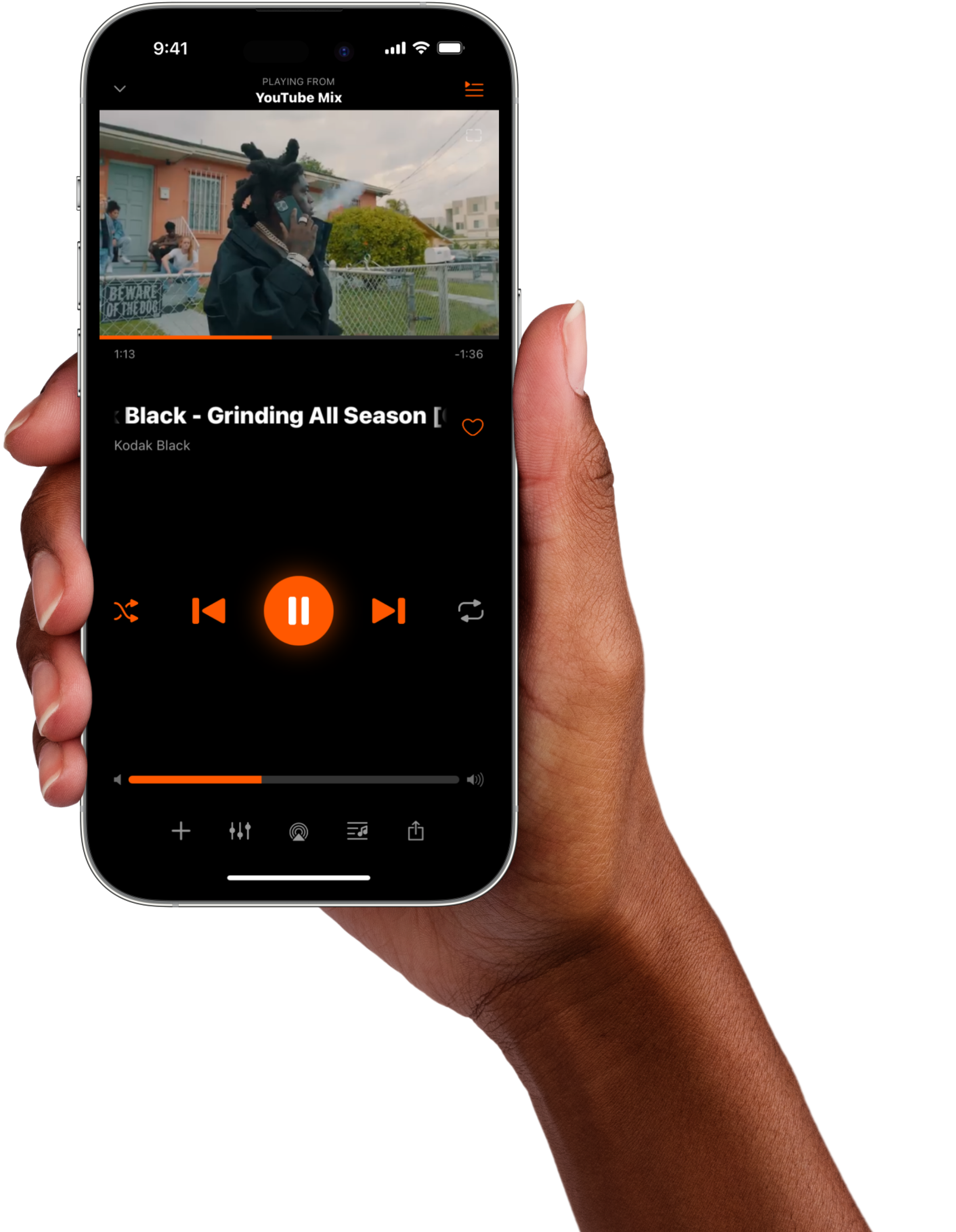
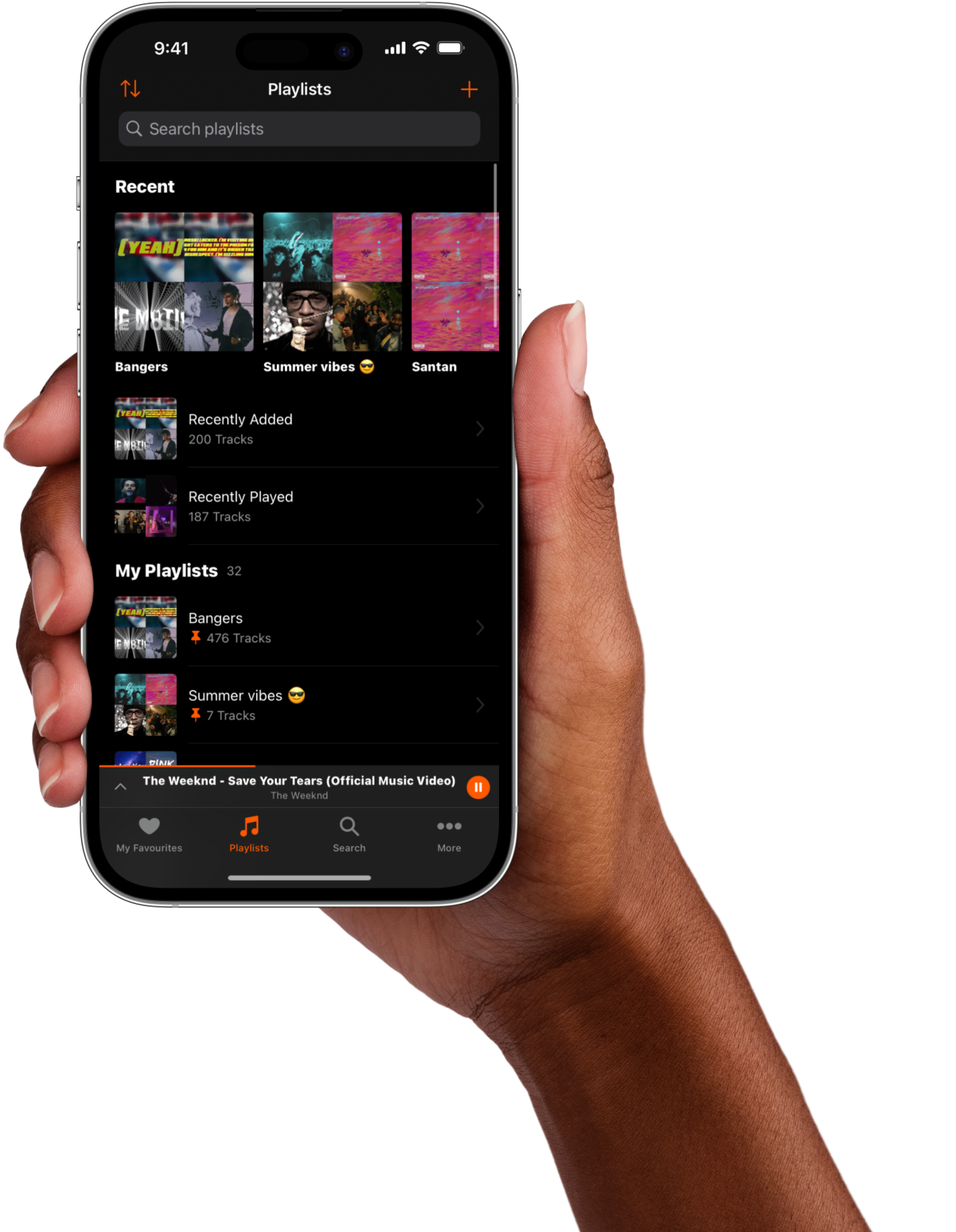

Your music, organized the way you want. Check out
the app that millions of people use everyday.
Your music, organized the way you want. Check out the app that millions of people use everyday.

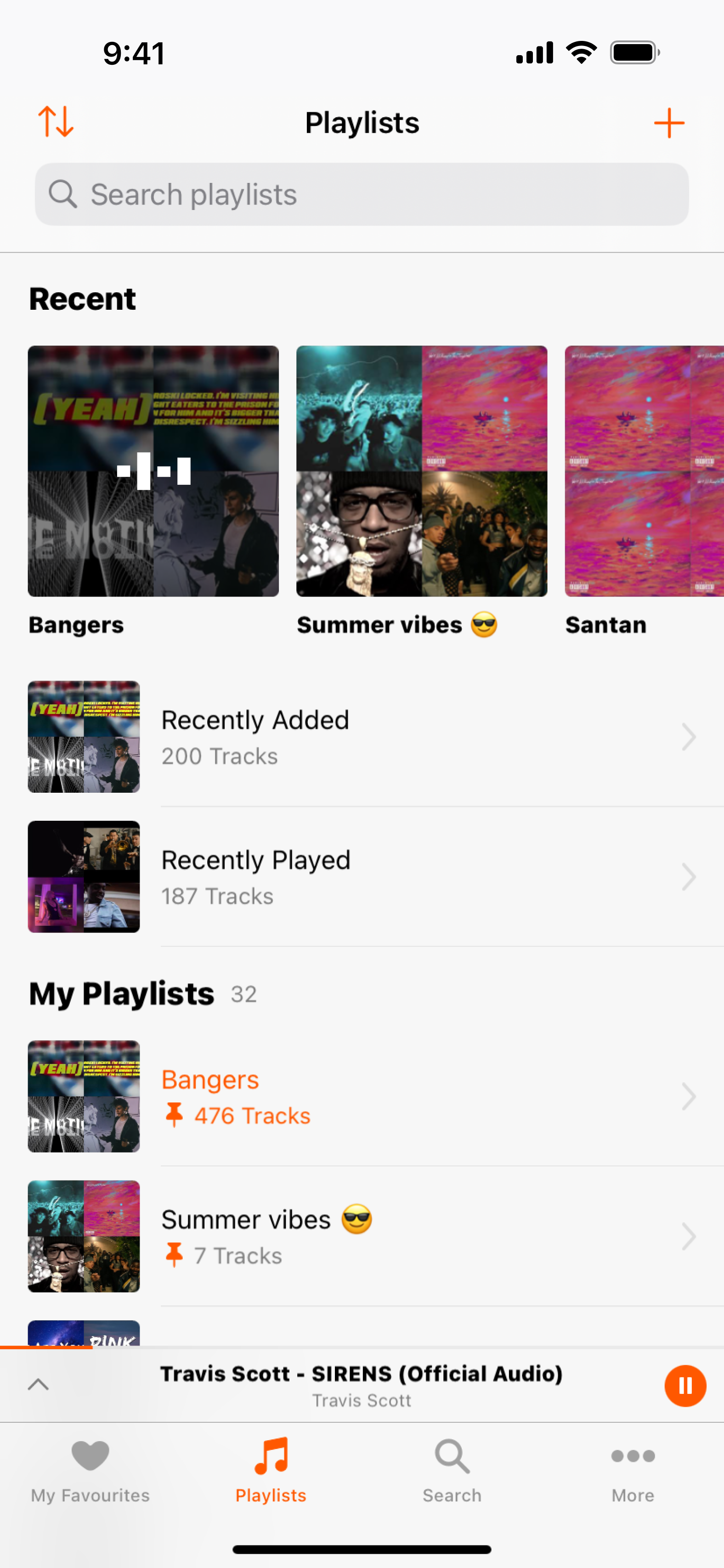
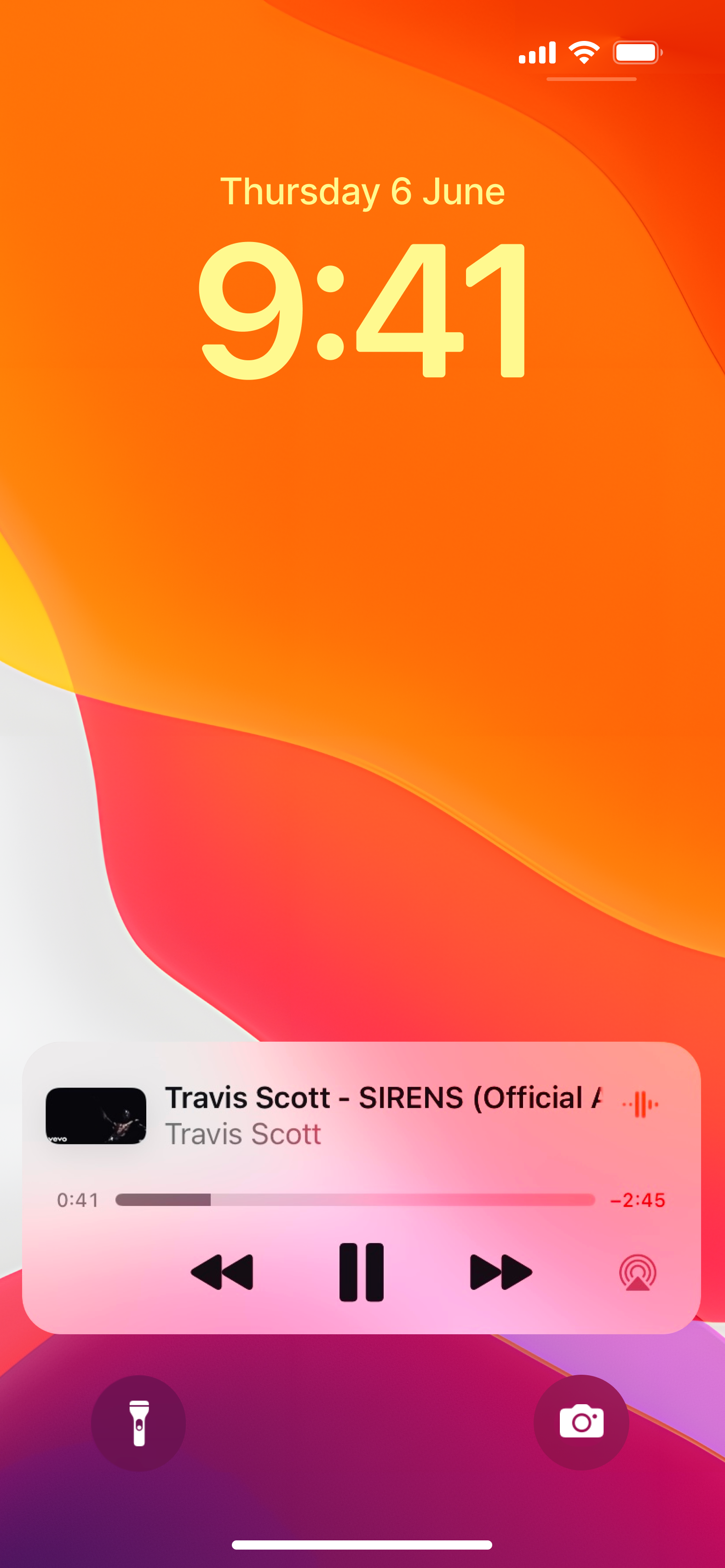
Access YouTube search directly through Musi
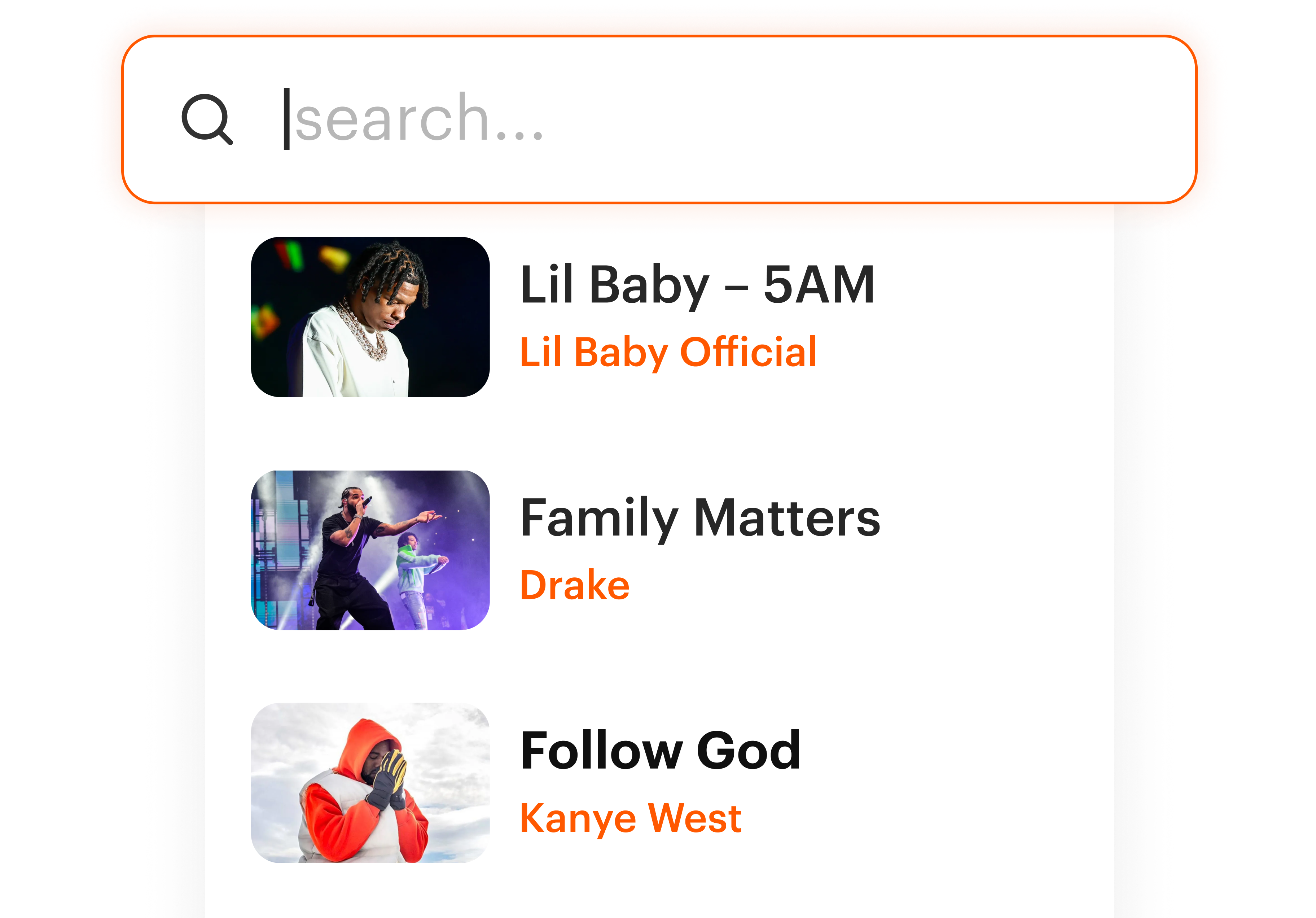
Just one tap to switch between your favorites, playlists, and search

You can add your own artwork to them too
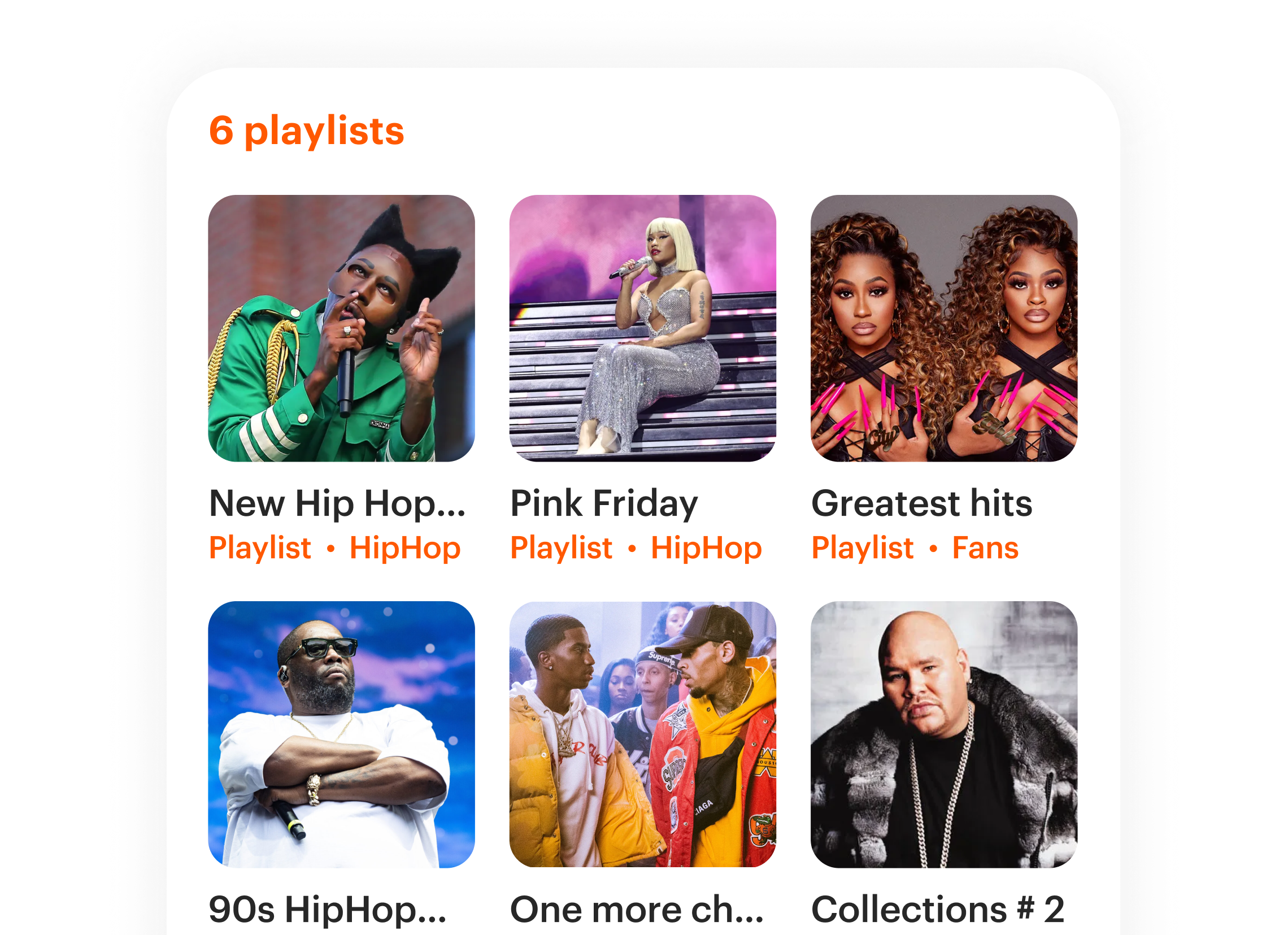
Everything is yours - we don’t track you with accounts

Musi emphasizes the playlists that YOU create

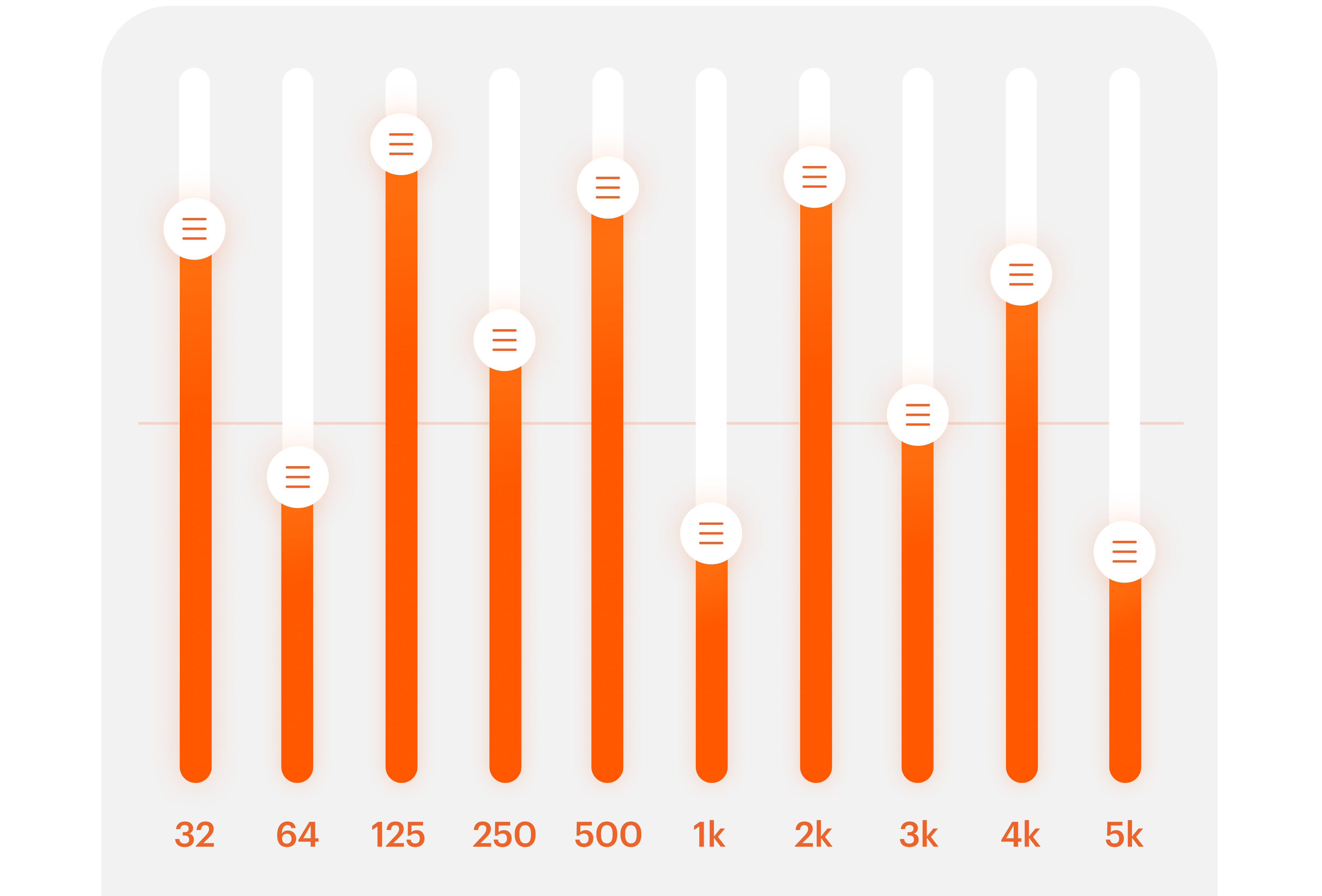
For the loudest bass, of course
See why Musi has been a staple on iOS for over 10 years.
The central refrain is a desperate prayer: . It is a song born from a place of ultimate vulnerability, where the singer feels overwhelmed by life's challenges and fears losing everything.
"Father You are the way, the way of life, Whoever comes in by You will be saved"
With a career spanning over three decades and more than 10 million albums sold worldwide, Malope broke barriers as the first major South African gospel artist to achieve mainstream radio play alongside pop and urban genres. Her music gave a voice to South Africans navigating the painful transition out of Apartheid, making her songs structural pieces of the country's social fabric. Her signature vocal style—marked by guttural cries, runs, and deep emotional resonance—is fully realized in this collaboration with the Tshwane Gospel Choir . Music Profile & Audio Composition Description "Look At Me" (commonly known as "Don't Let Me Die") Featured Artist Tshwane Gospel Choir Genre African Gospel / Traditional Worship Vocal Arrangement Call-and-response format with heavy choral backing Core Instrumentation
Dr. Rebecca Malope is a legendary South African gospel singer whose career spans over three decades. Rising from humble beginnings in Lekazi, Mpumalanga, she overcame immense personal and financial hardships to become one of the biggest-selling artists in South African history. rebecca malope look oh lord and answer my prayer.mp3
Drop an "Amen" 🙏 in the comments if this song has ever gotten you through a tough time!
Many believers look for the .mp3 format to download the track directly to their smartphones, tablets, or memory sticks. This allows them to listen to the song in areas with poor internet connectivity or save mobile data.
The song acknowledges the presence of enemies, but the singer does not pray for their destruction. Instead, she prays for protection, asking that when her enemy comes, he finds her covered by the . This focus on seeking refuge in God's power rather than asking for harm to others is a mature and faith-filled response to adversity. The central refrain is a desperate prayer:
The structure follows a simple yet effective pattern:
For fans searching for the digital file—specifically the —you are not just looking for a song; you are looking for a conversation with God. This article explores the history, meaning, and availability of this powerful track.
is a cornerstone of South African gospel music that serves as a visceral plea for divine intervention and restoration Thematic Core and Lyrics Her music gave a voice to South Africans
In the vast ocean of Gospel music, few voices command the heavens quite like Dr. Rebecca Malope. For millions of believers across Africa and the global diaspora, a simple search query——is not just a request for a file. It is a digital pilgrimage. It is a cry for divine intervention, wrapped in the soul-stirring harmonies of South Africa’s "Queen of Gospel."
Finding the MP3 is one thing; using it effectively is another. Here are three ways to incorporate this track into your spiritual routine:
"Look At Me" (often referred to by the lyric "Oh Lord, answer my prayer") by Dr. Rebecca Malope
The powerful gospel song by South African "Queen of Gospel" Dr. Rebecca Malope features the poignant cry, "Look at me, Oh Lord, and answer my prayer; restore my strength, don't let me die." Produced alongside the Tshwane Gospel Choir , this deep plea for restoration serves as a spiritual anchor for millions facing desperate, life-altering struggles.
Musi is an organizational tool for videos on YouTube, with an emphasis on features tailored toward music. Musi allows you to easily create and share playlists, control your audio with an equalizer, crossfade between videos, sing along with lyrics, easily control and re-arrange your up next queue, and more.
Musi currently supports importing playlists that you have saved on YouTube. This can be achieved by tapping the Playlists tab and then tapping the “+” button on the top right.
Open the playlist and tap the “+” button. From here, you can search to add tracks or merge tracks from other playlists. Playlists that have been shared with you are read-only and cannot be added to.
Visit the Playlists tab and tap the "+" button.
Musi requires an internet connection to play videos at all time, and can work on both data and WiFi. Data rates will apply, although Musi strives to be as lightweight as possible.


Disclaimer. This is not the official site of Musi. This is a prototype made and owned by Nate Billion
Copyright © 2026 DigitalVertex