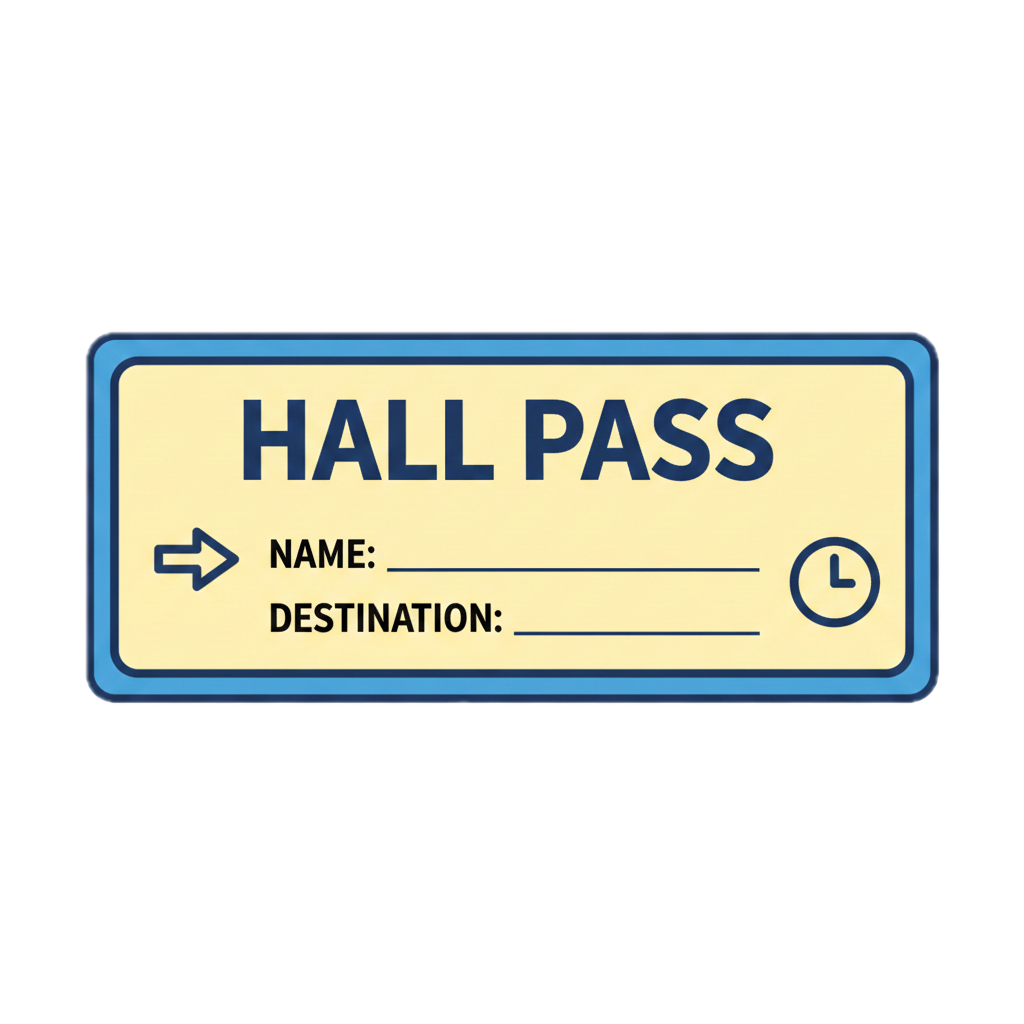
Everything you need for a complete student movement solution.

K12's leading organization system for executive function development.

Easy for your staff and integrated for quick recognition and tracking for redemption.


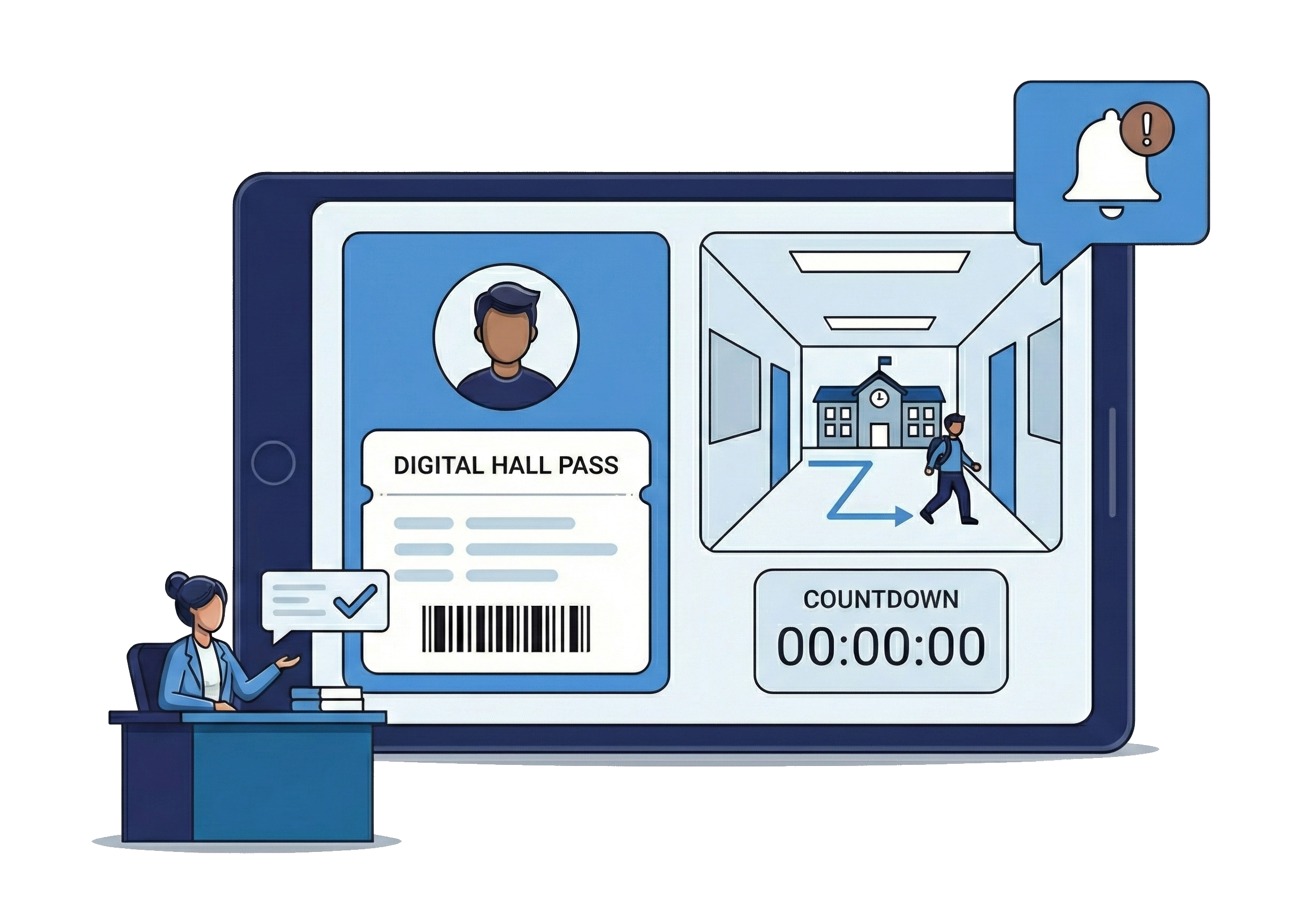
Manage visibility, engagement and accountability across all student activities.

Free staff time from tracking tardy, cell phone, dress code, etc. violations.

Your option to give parents access to see their students hall pass and homework activity.
: Learning through consequences. This involves reinforcement (increasing a behavior) or punishment (decreasing a behavior). Modern veterinary behaviorists heavily emphasize positive reinforcement—rewarding desired behaviors with treats or praise—to build trust and cooperation. 2. Ethology and Species-Specific Needs
Similar to human OCD, animals can develop repetitive, purposeless behaviors. Examples include tail-chasing, flank-sucking in Dobermans, or psychogenic alopecia (over-grooming to the point of hair loss) in cats. These behaviors often trigger the release of endorphins, helping the animal cope with a stressful environment. The Role of Behavior in Livestock and Welfare
Animal behavior is the study of how creatures interact with their environment, each other, and humans. For veterinarians, these interactions are often the first signs that something is wrong. A cat that stops grooming or a dog that suddenly becomes aggressive isn't just "acting out"—they are often displaying symptoms of underlying physical pain or illness. Modern veterinary practices now emphasize the "Fear Free"
Veterinary science now borrows heavily from human psychiatry. Selective serotonin reuptake inhibitors (SSRIs like fluoxetine), benzodiazepines (for situational fear), and trazodone (short-term stress reduction) are standard tools. However, a behavior-informed veterinarian knows that a pill is never a substitute for environmental change. Medication lowers the volume of fear so that learning can happen. zoofilia abotonada anal con perro work
Researchers are currently exploring the canine and feline genomes to identify genetic markers linked to anxiety and aggression, which could lead to highly targeted therapies. Additionally, wearable technology—such as smart collars that track a pet's scratching, sleeping patterns, and heart rate variability—allows veterinarians to monitor behavioral shifts and detect onsetting pain or illness long before clinical symptoms appear.
: A classic (though informal) grouping of primary survival behaviors: fighting, fleeing, feeding, and reproduction .
The future of veterinary science is not just about adding years to the animal's life, but . And you cannot add life without understanding the very essence of the creature: its behavior. : Learning through consequences
By recognizing subtle stress signals (whale eye, tucked tail, yawning out of context), the veterinarian can pause, modify the approach, or employ pharmacological sedation (a practice known as "fear-free pharmacology") before the patient escalates to aggression.
Veterinary science has begun quantifying these micro-expressions. Studies show that animals who display high stress levels during routine exams have elevated cortisol levels for up to 72 hours post-visit. This isn't just an emotional issue; it is a physiological one. Chronic stress suppresses the immune system, delays wound healing, and exacerbates inflammatory conditions like dermatitis or irritable bowel syndrome.
When behavior modification plans alone are insufficient, veterinary behaviorists prescribe medication. Pharmaceuticals are used to alter neurotransmitters in the brain, reducing panic and anxiety so the animal can cross the threshold into a state where learning can occur. These behaviors often trigger the release of endorphins,
A key distinction in this field is the difference between a "trainer" and a "Veterinary Behaviorist." A trainer teaches skills; a Veterinary Behaviorist diagnoses medical conditions that manifest as behavioral issues.
A fearful animal releases cortisol and adrenaline, which physically alters the body. Heart rates skyrocket, blood glucose levels change, and body temperature rises. These physiological changes can skew blood test results and make accurate diagnosis difficult.
Common in dogs, a drop in thyroid hormones can cause lethargy, depression, and sudden-onset fear or aggression.
| Features | myHomework | SmartPass | Securly Pass |
|---|---|---|---|
| Affordable | |||
| Digital Hall Pass System | |||
| Student Planner Integration | |||
| Flex/Intervention Management | |||
| Key Admin Tools Included | |||
| Violation Response | |||
| Full SIS Integration | |||
| Parent/Guardian Access | |||
| Rewards | |||
| Independently Owned |

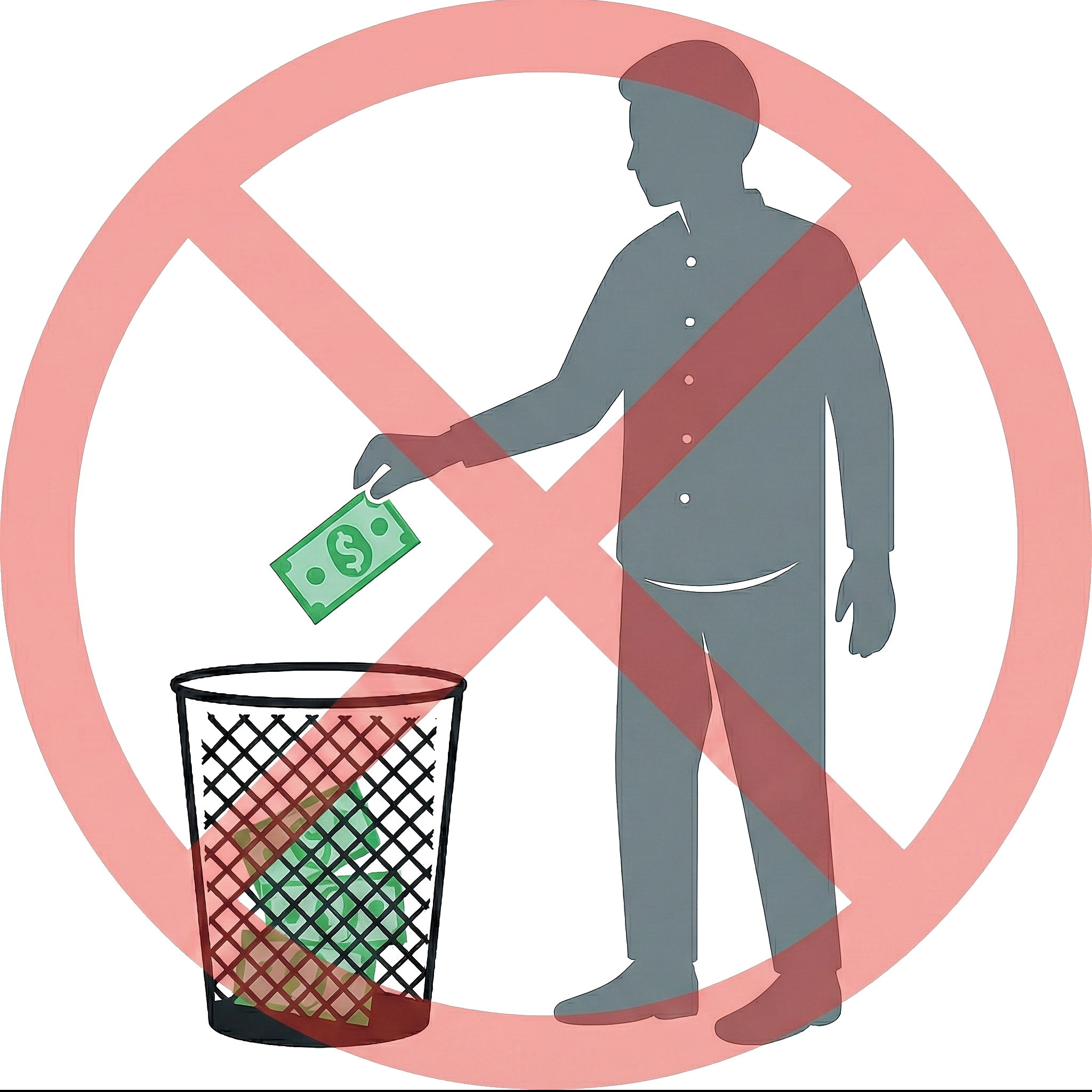
Don’t get stuck with overpriced, low‑service corporate vendors—save up to two‑thirds of your budget without compromise
Unlike overpriced offerings from legacy corporate vendors, with myHomework you get so much more value in one trusted platform. We have everything you need except for wasting your budget.


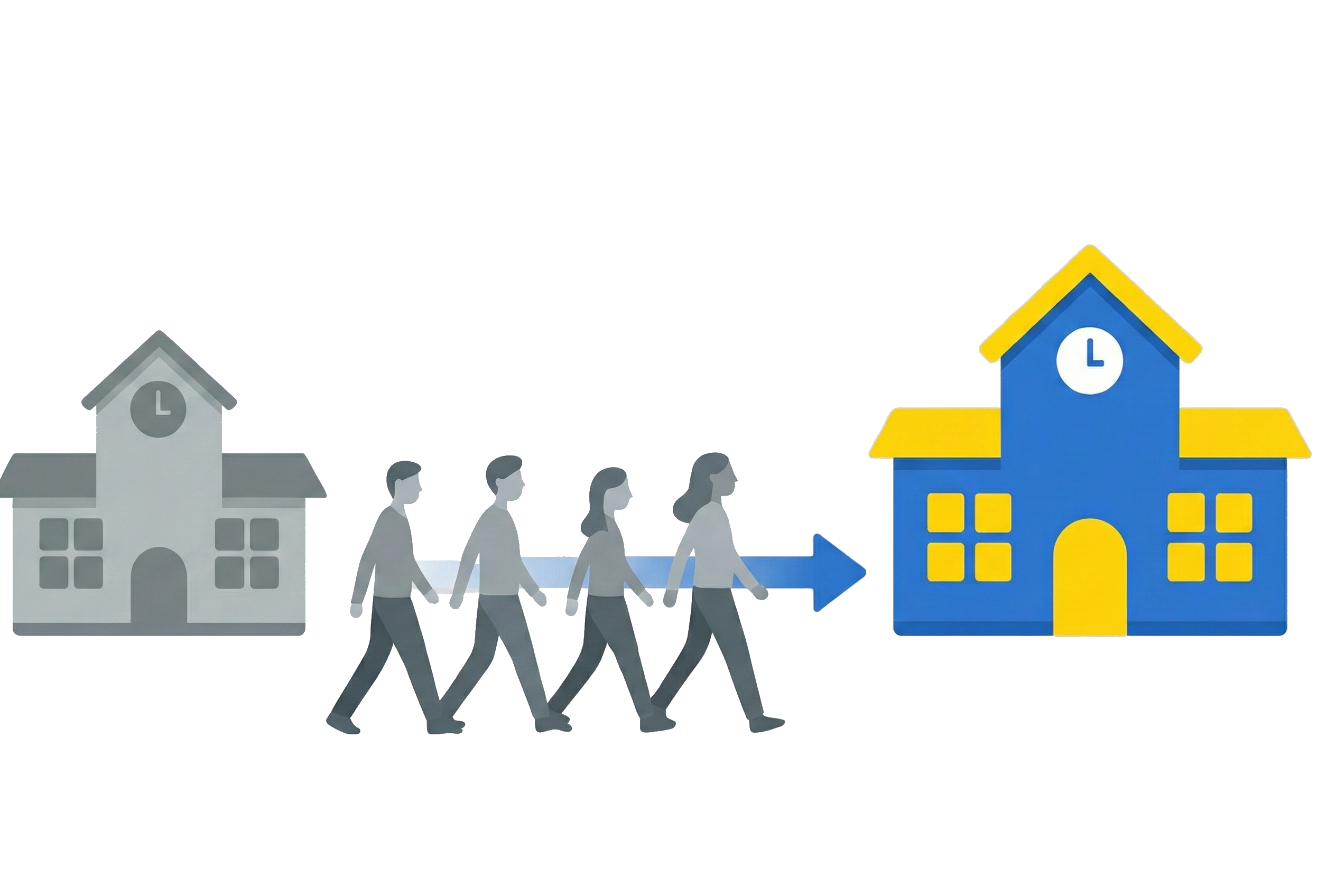
Schools across the country are making a decisive shift toward myHomework, a platform that has proven itself to be both cost-effective and transformative.